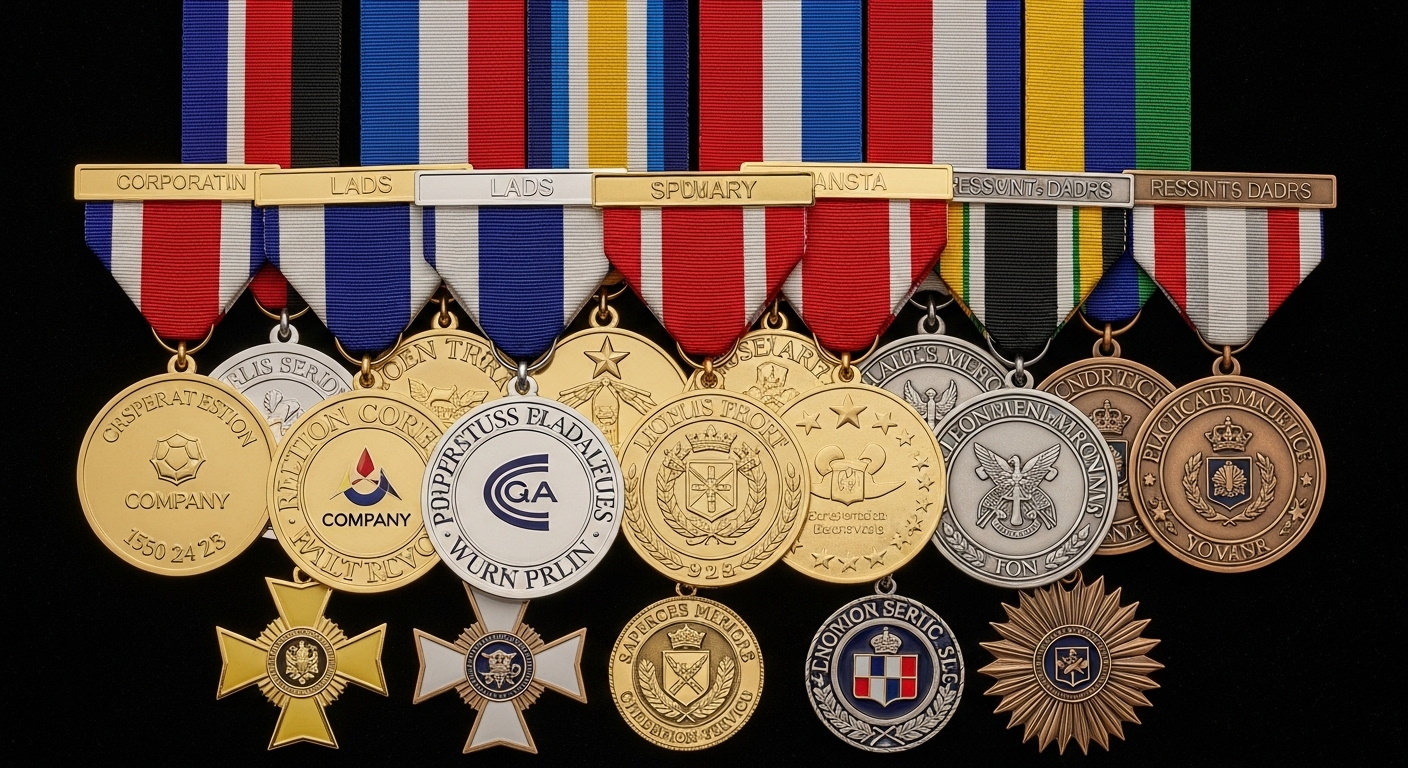
In Australia, the process usually starts weeks in advance because design approvals, manufacturing time, and freight all need a clean runway. Here’s what typically goes into making custom medals that look sharp on stage and hold up long after the applause.
What do organisers need to confirm before ordering medals?
They need to lock in purpose, quantities, deadlines, and budget before anyone opens a design file. Those four inputs dictate almost every production decision, from size and plating to packaging and delivery method.
Most Australian suppliers will ask for the event date, medal types (winner, runner-up, participation), number of ribbons, and where the medals must arrive. For custom medal design, even small changes like adding a second colour fill can affect lead time.
How is medal artwork and branding prepared for production?
They usually start with a logo pack, clear text, and a simple brief on what should be readable at arm’s length. The supplier then converts the concept into production-ready artwork, often with a proof showing front and back views.
Vector files help, but they are not always required if the supplier redraws artwork in-house. For custom medals, designers also check fine lines, small lettering, and how a crest or mascot will translate into raised metal.
How do they choose the right medal size, thickness, and shape?
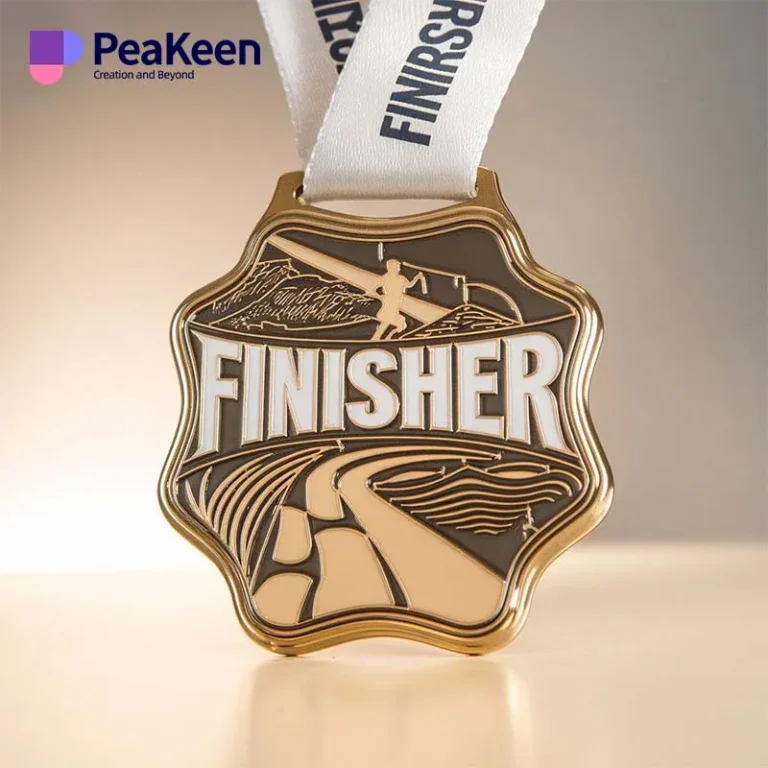
They choose based on how the medal should feel in-hand and photograph on the podium. Larger diameters suit major championships, while compact sizes suit school carnivals and multi-division events.
Thickness matters because thin medals can feel light or flex in transport. For custom medals, suppliers often guide organisers toward a balanced spec that fits the budget but still feels premium, especially when medals are presented on stage.
What materials are used for medal bases in Australia?
Most medals are made from zinc alloy, iron, brass, or stainless steel, depending on cost and finish goals. Zinc alloy is common for detailed designs because it casts well and supports deeper relief.
For events that want a sharper edge and higher perceived value, brass is sometimes used, particularly for smaller runs. With custom medals, the best material is the one that supports the design depth, finish, and timeline they need.
How do casting and stamping differ for medal production?
Casting is used for 3D relief, irregular shapes, and designs with depth. Molten metal is poured into a mould, then the medal is trimmed, polished, and finished.
Stamping uses a die to press the design into a metal blank. It can be crisp and consistent, especially for flatter designs. For custom medals, casting is often chosen when organisers want bold relief, layered textures, or complex outlines.
How is the mould or die created from the approved design?
Once they approve the final proof, the supplier creates a mould (for casting) or a die (for stamping). This is where production becomes real, because mistakes at this stage can repeat across the whole run.
The mould-making stage is where careful approval becomes especially important. With custom medal design, suppliers typically recommend checking spelling, sponsor names, dates, logos, and any state or national organisation references before giving final approval, as changes become more difficult once production begins.
What finishing options affect the look and durability?
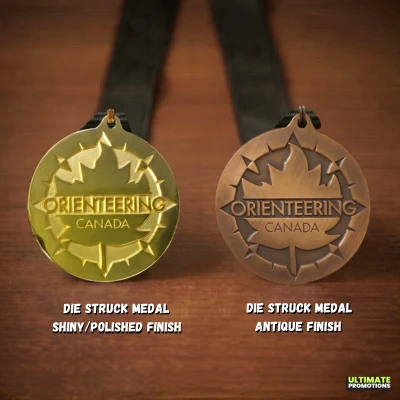
They can choose plating and surface effects that match the event tone. Common finishes include bright gold, antique gold, silver, bronze, black nickel, and matte styles that reduce glare in photos.
Textures like sandblasting, brushed metal, or patterned backgrounds can make logos pop. For custom medals, the finish also influences wear resistance, especially around raised edges that rub against clothing during presentations.
How do enamel colours and printing get added to medals?
Enamel fills are used to add strong brand colours to recessed areas. Hard enamel sits flatter and can look sleek, while soft enamel leaves a slight texture that shows the metal outlines.
Printing is used for gradients, fine detail, or photographic elements, but it can scratch if not protected well. For custom medals, organisers often choose enamel when they want colour that stays sharp even after years in storage.
What goes into designing the medal ribbon?
They usually decide ribbon width, length, attachment style, and whether the ribbon is stock or custom-printed. In Australia, event ribbons often include sponsor marks, event names, or state colours.
Attachment options can include split rings, jump rings, ribbon drapes, or stitched loops, depending on how the medal will be presented. Custom medal ribbons can add significant visual impact to a simple medal because the ribbon frames the award and becomes part of the overall presentation in every podium photo.
How do they handle individual naming or event-specific engraving?
They can add engraving for athlete names, team names, categories, or times, depending on how results are recorded. This is typically done by laser engraving or mechanical engraving on the back.
They need a clean data list, consistent formatting, and a cut-off date to avoid errors. For custom medals, engraving is one of the fastest ways to make recipients feel the award was made specifically for them.
What quality checks happen before medals leave the factory?
They check colour accuracy, plating consistency, sharp edges, spelling, alignment, and attachment strength. Suppliers often compare finished samples to the approved proof and confirm ribbon placement and clasp security.
They also check counts and packaging to reduce missing items on delivery. For custom medals, quality control is especially important because replacements close to event day can be difficult once freight and schedules tighten.
How long does production usually take for Australian events?
It depends on complexity, quantities, and whether ribbons are custom-woven or printed. Many runs take several weeks from final approval to dispatch, with extra time for freight to regional areas.
Rush orders may be possible, but they can reduce finish options or increase costs. With custom medals, organisers usually protect themselves by approving artwork early and building a buffer for unexpected revisions.
What packaging and presentation options are available?
They can choose bulk packing for efficiency or individual packaging for a premium feel. Options include polybags, velvet-style pouches, presentation boxes, or foam inserts for VIP categories.
For corporate awards nights, boxed presentation often matches the tone of the event and looks better in staged photos. For custom medals, packaging is not just protection; it is part of the moment when the medal is handed over.
How do shipping and delivery get managed across Australia?
They typically confirm the delivery address, on-site receiving hours, and whether delivery is to a school, stadium, council facility, or private office. Regional deliveries may require extra lead time.
Many organisers also split deliveries, sending some stock to a central coordinator and some to venues. With custom medals, they reduce risk by asking for tracking, checking carton labels, and counting stock as soon as it arrives.
How can organisers keep custom medals on budget without compromising impact?
They can prioritise the elements people notice most: bold relief, clean text, and a strong finish. Choosing a standard size, limiting enamel colours, or using a stock ribbon can reduce costs.
They can also reserve higher-end options for podium places while using simpler participation medals for large groups. For custom medals, smart budgeting is about spending where the camera lands, not where nobody will look.
What should they ask a supplier before placing the final order?
They should ask for a clear timeline, proofing process, revision limits, and what happens if there is an error. They also need confirmation on minimum order quantities, finish samples, and freight expectations within Australia.
They should also confirm whether a pre-production sample is available and understand how requested changes could affect production deadlines. When ordering custom competition medals, the best results usually come from suppliers who document approvals, confirm specifications, and communicate each production milestone clearly.
FAQs (Frequently Asked Questions)
What key details do organisers need to confirm before ordering custom medals in Australia?
Organisers must lock in the purpose of the medals, quantities required, deadlines, and budget before starting the design process. These factors influence production decisions such as medal size, plating, packaging, and delivery methods. Suppliers typically ask for event date, medal types (winner, runner-up, participation), ribbon numbers, and delivery location.
How is artwork prepared for producing custom medals that look sharp on stage?
Artwork preparation starts with providing a logo pack, clear text, and a brief outlining what should be readable at arm’s length. Suppliers convert these concepts into production-ready artwork with proofs showing front and back views. Vector files help but are not always mandatory if suppliers redraw artwork in-house. Designers check fine lines, lettering, and how elements like crests or mascots translate into raised metal.
What factors influence the choice of medal size, thickness, and shape for presentation events?
Medal size and thickness are chosen based on how the medal feels in hand and photographs on the podium. Larger diameters suit major championships; compact sizes fit school carnivals or multi-division events. Thickness affects weight and durability; thin medals may flex during transport. Suppliers guide organisers to balance budget with a premium feel appropriate for stage presentations.
Which materials are commonly used for custom medal bases in Australia and why?
Common materials include zinc alloy, iron, brass, and stainless steel. Zinc alloy is favored for detailed designs due to its casting properties and support for deeper relief. Brass offers sharper edges and higher perceived value, especially for smaller runs. The best material depends on design depth, finish goals, cost considerations, and production timelines.
How do casting and stamping methods differ in custom medal production?
Casting involves pouring molten metal into a mould to create 3D reliefs and complex shapes with depth; medals are then trimmed and polished. Stamping presses a die into a metal blank to produce crisp, consistent designs suited for flatter medals. Casting is often chosen when bold reliefs or layered textures are desired in custom medals.
What finishing options impact the appearance and durability of custom medals?
Finishing options include plating choices like bright gold, antique gold, silver, bronze, black nickel, and matte finishes that reduce glare in photos. Surface textures such as sandblasting or brushed metal enhance logo visibility. Finishes also affect wear resistance around raised edges that contact clothing during presentations—important considerations for long-lasting custom medals.