This guide covers what they should confirm before they buy custom medals for a competition, from design files to freight, ribbons, and engraving.
What does “custom” actually mean for medals?
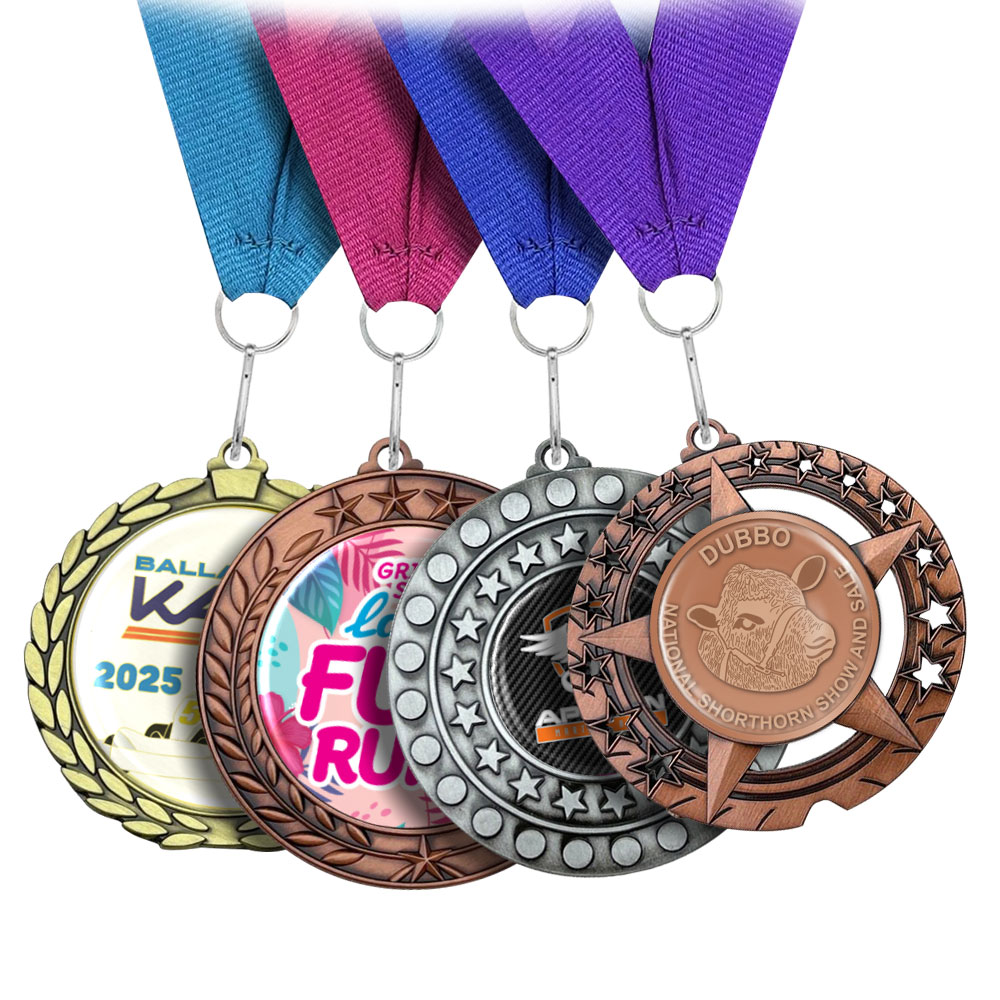
“Custom” can mean anything from adding a logo to a standard shape through to a fully bespoke die struck medal. Before they buy custom medals for a competition, they should ask whether the supplier is offering stock medals with custom printing, custom inserts, or a true custom mould.
The difference affects price, lead time, and how premium the medal feels in-hand.
How many medals are needed, and what spares should be included?
They should confirm quantities early and add spares for ties, late entries, damaged items, and last-minute category changes. A common approach is ordering 3–10% extra, depending on event size.
If they plan to buy custom medals for a competition, locking quantities before artwork approval can also reduce costly changes later.
What medal size and weight will feel “right” for the event?
Size and weight influence perceived value more than most organisers expect. Smaller 50–60 mm medals can suit school carnivals, while 65–80 mm often fits major community events and state-level comps.
Before they buy custom medals for a competition, they should request dimensions in millimetres and an estimated weight, not just a product photo.
Which medal material and finish will match the brand and budget?
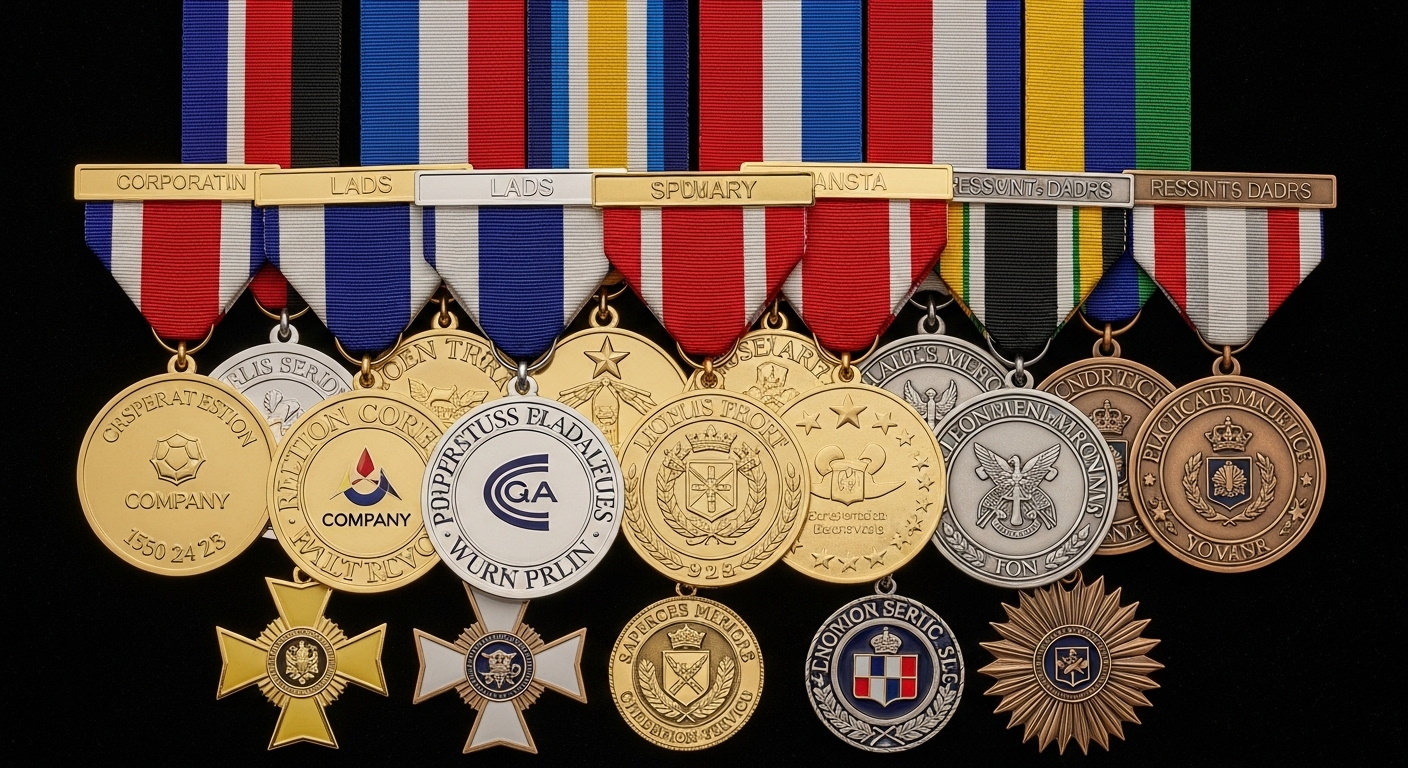
Most medals are zinc alloy or iron, finished in antique, gold, silver, or bronze plating. They should confirm whether “gold” is bright, matte, or antique, and whether it is plated or painted.
When they buy custom medals for a competition, they should ask for finish names in writing and request close-up photos taken under neutral light.
Should the medals be die struck, cast, or printed?
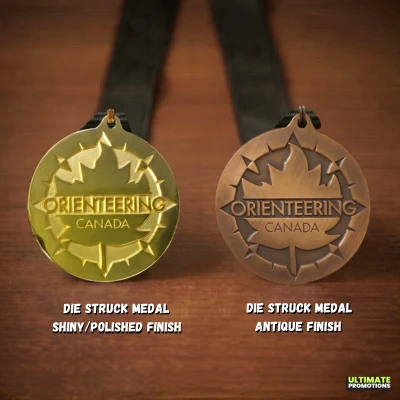
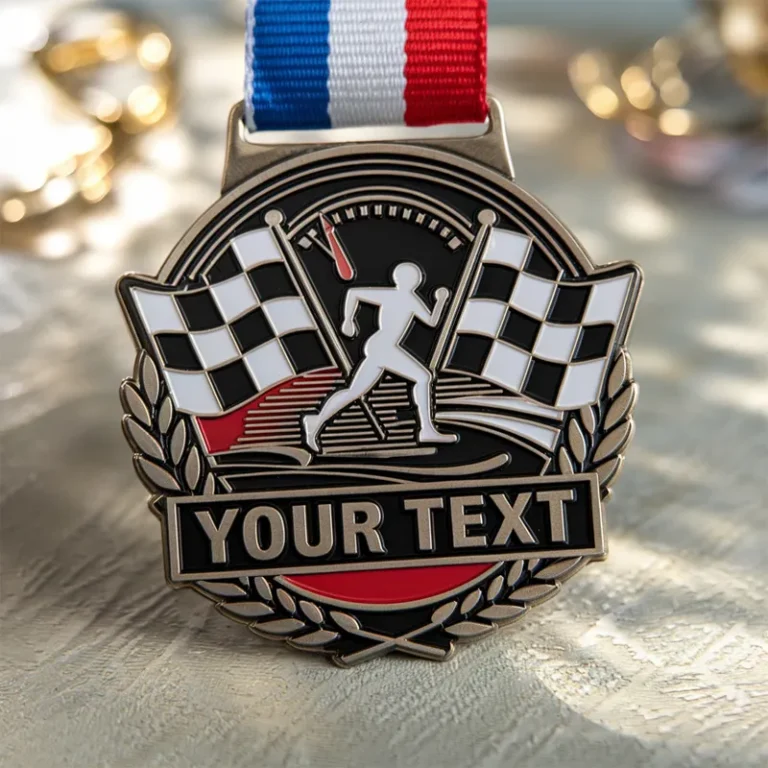
Die struck medals typically deliver crisp lines and a classic look, especially for logos and text. Cast medals can create more depth and 3D shapes. Printed medals can be faster and cheaper, but they may feel less premium.
If they want to buy custom medals for a competition with a high-end result, they should ask the supplier which method is being used and why it suits the design.
Is the artwork actually production-ready?
They should confirm what file types the supplier needs, usually AI, EPS, or high-resolution PDF, and whether fonts must be outlined. Low-res PNGs can cause soft edges and unclear text, especially on small medal surfaces.
Before they buy custom medals for a competition, they should also confirm who is responsible for artwork setup fees and revisions.
How will small text, fine lines, and logos reproduce on metal?
Medal artwork requires different considerations from standard print design. Custom medal artwork should account for production limitations because thin lines can merge, small lettering may become difficult to read, and intricate crests can lose definition when the design is stamped or cast.
When they buy custom medals for a competition, they should ask for minimum line thickness and minimum font size guidelines, then adjust the design before approval.
What should be on the front versus the back?
They should decide whether the front carries the event identity and the back carries the year, distance, division, or sponsor list. It is often cleaner to keep the front simple and use the back for variable details.
If they buy custom medals for a competition annually, including the year on the back can prevent leftover stock becoming unusable later.
Should they choose engraving, UV print, or a custom back design?
Engraving is great for personalised names, teams, or placing, but it adds time and admin. UV print can handle colour but may not feel as timeless. A fixed custom back design looks premium and is low effort once set.
Before ordering custom competition medals for an event, organisers should confirm which medal option best suits the way winners are determined and when final results will be available. This helps ensure the design, quantities, and personalisation details can be confirmed without creating unnecessary production delays.
What ribbon width, length, and attachment style will be most comfortable?
Ribbons vary in width, weave, and how they sit on the neck. They should confirm ribbon length suits juniors and adults, and check whether the attachment is a split ring, jump ring, or a fixed hanger.
When they buy custom medals for a competition, they should also verify whether ribbon cost includes one-sided or two-sided printing, and whether colours match brand guidelines.
Do they need packaging, and what is practical on presentation day?
Individual polybags prevent scratches in transit and make handing out easier. Presentation boxes look premium but add cost and storage bulk, which matters for large Australian fun runs and school events.
If they plan to buy custom medals for a competition with gift boxes, they should confirm carton sizes and whether the supplier packs medals with ribbons attached.
Are sponsor logos allowed, and will they complicate approvals?
Sponsors can add value, but they also add approvals, brand rules, and potential last-minute changes. A sponsor logo that changes late can delay production or force a redesign.
Before they buy custom medals for a competition, they should lock sponsor artwork and confirm placement, size, and any exclusivity requirements.
What is the realistic production timeline for Australian events?
They should ask for a timeline that includes artwork proofing, production, quality checks, and shipping to their Australian address. Imported medals can take weeks, especially around peak seasons like spring running events and end-of-year school presentations.
If they buy custom medals for a competition, they should set an internal deadline that is earlier than the supplier’s estimate to absorb delays.
Where are the medals made, and how does that affect shipping and risk?
Some suppliers manufacture locally, while others produce offshore and ship into Australia. Neither is automatically better, but organisers should understand lead times, freight tracking, and what happens if a carton arrives damaged.
When they buy custom medals for a competition, they should ask whether the supplier holds stock in Australia and whether they can split-deliver if needed.
What delivery address and receiving details should be confirmed?
They should confirm whether delivery is going to a home address, a school office, a council facility, or a warehouse. Many venues cannot accept deliveries on weekends, and some require booking times or delivery dockets.
Before they buy custom medals for a competition, they should confirm authority-to-leave rules, signature requirements, and whether cartons are clearly labelled by category.
How can they verify quality before the full order is produced?
A digital proof is essential, but it is not the same as a physical sample. For large orders, they should ask for a pre-production sample or photos of the first article, including close-ups of text and finish.
If they buy custom medals for a competition without a quality checkpoint, they risk discovering issues only when it is too late to fix.
What are the most common hidden costs to check?
They should confirm mould or setup fees, artwork revision charges, ribbon printing fees, individual packaging, engraving costs, and rush charges. They should also confirm whether GST is included in the quoted price.
When they buy custom medals for a competition, a line-item quote reduces surprises and makes budget sign-off easier.
What should the organiser check in the supplier’s terms and policies?
They should read the policy on re-makes, defects, and what counts as acceptable variation in colour and finish. They should also confirm payment terms, deposit requirements, and whether refunds are possible after approval.
Before they buy custom medals for a competition, they should ensure the proof approval process is clear, because approval is often treated as final acceptance.
How should they plan medal categories and inscriptions to avoid mistakes?
They should build a simple spreadsheet listing categories, quantities, and exact text, including capitalisation and abbreviations. They should also decide whether “1st, 2nd, 3rd” or “Gold, Silver, Bronze” is preferred across the event.
If they buy custom medals for a competition with variable engraving, they should confirm a cut-off date for names and results.
What’s the best way to avoid last-minute stress?
They should establish three key internal checkpoints: final design approval, confirmed quantities, and delivery confirmation. Assigning one person to oversee custom medal production can also keep communication organised and prevent conflicting changes from coming through multiple people during the approval process.
When they buy custom medals for a competition, the calmest events are usually the ones where ordering happens earlier than feels necessary.
What is the simplest pre-order checklist they can use?
They can quickly confirm the essentials in one pass: purpose, quantities plus spares, medal size, material and finish, production method, front and back layout, ribbon specs, packaging, timeline, delivery details, and a quality checkpoint.
If they do that before they buy custom medals for a competition, they will protect the budget, reduce errors, and end up with medals recipients actually want to keep.
FAQs (Frequently Asked Questions)
What does ‘custom’ mean when buying medals for a competition?
‘Custom’ can range from adding a logo to a standard medal shape, to creating a fully bespoke die struck medal. It’s important to clarify whether the supplier offers stock medals with custom printing, custom inserts, or a true custom mould, as this impacts price, lead time, and the medal’s premium feel.
How many medals should I order and should I include spares?
Confirm your total medal quantities early and order an additional 3–10% as spares to cover ties, late entries, damaged items, or last-minute category changes. Locking in quantities before artwork approval helps reduce costly changes later on.
What size and weight of medals are appropriate for different types of events?
Medal size and weight influence perceived value significantly. Smaller 50–60 mm medals suit school carnivals, while 65–80 mm are better for major community or state-level competitions. Always request precise dimensions in millimetres and estimated weight rather than relying solely on photos.
Which materials and finishes should I consider to match my event’s brand and budget?
Common materials include zinc alloy or iron with finishes like antique, gold, silver, or bronze plating. Clarify if ‘gold’ is bright, matte, or antique and whether it’s plated or painted. Request finish names in writing along with close-up photos taken under neutral light for accurate assessment.
Should I choose die struck, cast, or printed medals for my competition?
Die struck medals offer crisp lines and a classic look ideal for logos and text; cast medals provide more depth and 3D shapes; printed medals are faster and cheaper but may feel less premium. Discuss with your supplier which method suits your design and desired quality level.
What artwork specifications should I prepare before ordering custom medals?
Ensure artwork files are production-ready by providing AI, EPS, or high-resolution PDFs with outlined fonts if required. Avoid low-resolution PNGs that cause soft edges or unclear text. Confirm who handles artwork setup fees and revisions before finalizing your order.