When organisations order lanyards, they are rarely buying “just a strap.” Most want a practical, branded item that is safe, comfortable, and fit for real Australian workplaces and events. That is why custom lanyards Australia suppliers offer a wide menu of add-ons that change how a lanyard wears, releases, holds credentials, and lasts.
Below are the most common features suppliers include, why they matter, and when they suit Australian buyers.
What are safety breakaway clips, and why do they matter?
Safety breakaway clips are small connectors designed to release under pressure, reducing the risk of choking or snagging. They matter because many Australian workplaces require practical risk controls for items worn around the neck.
For schools, warehouses, manufacturing sites, aged care, and events with moving equipment, breakaway clips are often one of the first safety upgrades custom lanyards across Australia buyers request.
Where are breakaway clips typically positioned on a lanyard?
They are commonly placed at the back of the neck so the lanyard separates if it catches, while still looking tidy from the front. Some designs place a breakaway nearer the clip end, but that can be less consistent for safety.
Suppliers of custom lanyards Australia products usually recommend the back-of-neck position because it balances safety, comfort, and appearance.
Which industries in Australia most often request breakaway options?
They are frequently requested by schools, childcare, disability support, hospitals, councils, logistics sites, and major events. Any setting with machinery, doors, crowds, or frequent bending and lifting tends to prioritise breakaway functionality.
For brands ordering custom lanyards Australia wide, choosing breakaway options can also simplify procurement across multiple departments with different risk profiles.
What is a detachable buckle, and when is it useful?
A detachable buckle lets the bottom section unclip, so the wearer can present an ID card, swipe access, or use a key without lifting the lanyard over their head. It is useful in offices, stadiums, venues, and transport-related roles where frequent scanning is normal.
Many custom lanyards Australia suppliers offer buckles as a quick way to improve day-to-day usability without changing the overall design.
How do different attachment clips change day-to-day performance?
The attachment clip affects how securely credentials hang and how they sit on the body. Common options include trigger clips, swivel hooks, bulldog clips, and split rings, each suited to different card holders and keys.
For custom lanyards Australia orders, suppliers typically match clip choice to the badge style, expected weight, and the “grab and go” habits of staff or attendees.
What is a dual-clip lanyard, and who benefits from it?
A dual-clip lanyard has two attachment points, which helps keep wider badge holders stable and facing forward. It is common at conferences, expos, and corporate sites where IDs need to be visible and easy to check at a glance.
Teams buying custom lanyards Australia for large events often choose dual clips to reduce badge flipping and improve line management at entry points.
Why do some buyers add a phone strap or accessory loop?
A phone strap or small accessory loop gives wearers a place for a USB, whistle, or lightweight device. It can also help reduce pocket searching during shifts, particularly in busy venues and campuses.
When custom lanyards Australia suppliers add these loops, they usually advise keeping weight low so the lanyard stays comfortable and avoids excessive swing.
What is a badge reel, and is it better than a buckle?
A badge reel extends the card on a retractable cord, which is helpful for swipe access at doors, lockers, or turnstiles. It can be better than a buckle when hands-free scanning is frequent, or when uniform policies require the lanyard to stay worn.
For custom lanyards Australia clients, suppliers often recommend reels for corporate access control and buckles for general events, depending on scanning frequency and wear conditions.
How do card holders and sleeves improve durability and compliance?
A card holder protects printed IDs from bending, sweat, and spills, while keeping details readable for security checks. Options include rigid holders, soft PVC sleeves, and waterproof styles for wet environments. Check out more about New soft plastic recycling technology for South Australia.
Australian organisations ordering custom lanyards Australia style packages often bundle holders to reduce replacement costs and ensure staff present consistent, legible identification.
What materials do suppliers offer, and how do they affect comfort?
Common materials include polyester, nylon, tubular, and woven options, with each offering a different feel on the neck. Smooth finishes can suit long wear, while more textured weaves can hold shape and print detail.
For custom lanyards Australia projects, suppliers typically guide material choice based on wear time, climate, and whether the lanyards will be used outdoors in Queensland heat or in air-conditioned offices.
How does lanyard width change wearability and branding impact?
Wider lanyards can feel more stable and display logos more clearly, while narrower styles can be lighter and less intrusive. Width also affects how attachments sit and how a badge hangs on the chest.
Suppliers of custom lanyards Australia products often recommend wider widths for conferences and sponsors, and slimmer widths for everyday staff wear, especially where comfort is the priority.
What printing methods are most common for Australian orders?
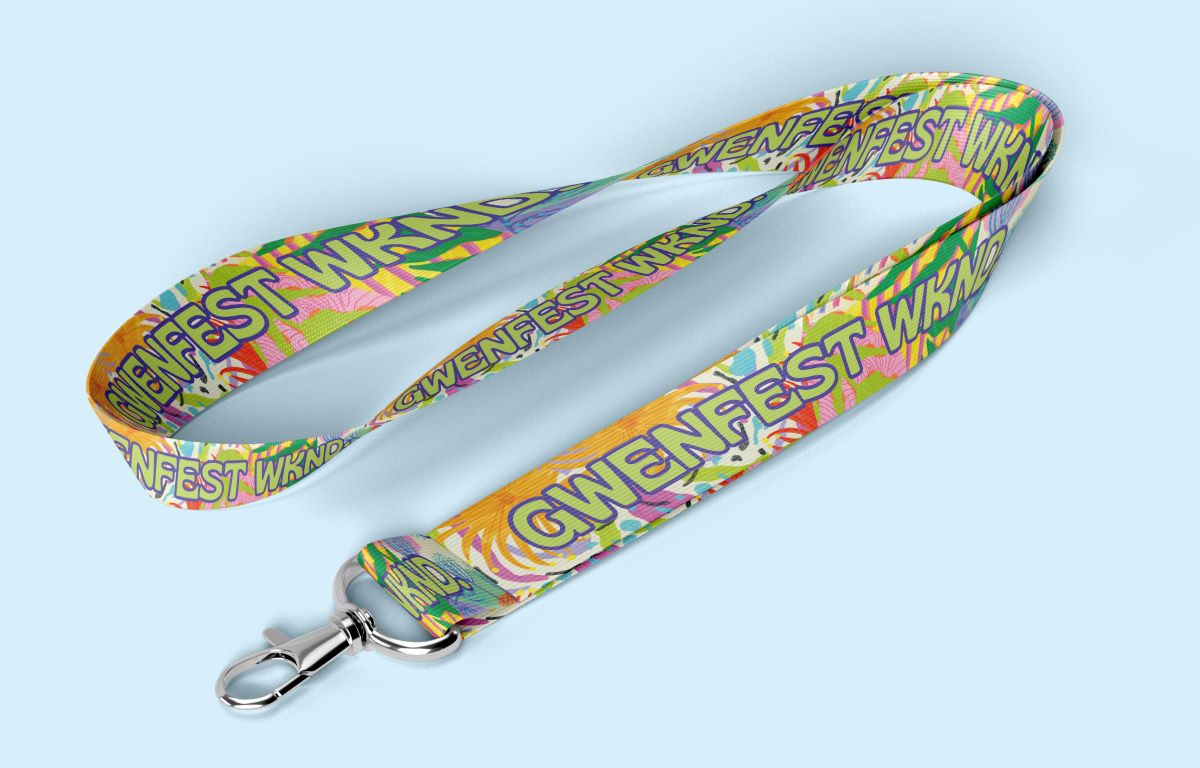
Popular methods include screen printing, dye sublimation, and woven text, each with different strengths. Sublimation suits full-colour gradients and complex branding, while screen printing is often used for bold, flat logos, and weaving can deliver a premium, textured look.
For custom lanyards Australia branding, suppliers usually choose the method based on artwork detail, colour count, and expected lead time.
Can reflective strips or high-visibility colours improve safety?
Yes, reflective elements and hi-vis colours can improve visibility in low light, which helps in traffic management, night events, and some industrial sites. They also make staff easier to identify in crowds, which can improve security and customer service.
When custom lanyards Australia suppliers suggest reflective add-ons, they typically pair them with clear role labelling so visibility also supports fast recognition.
What are anti-microbial or easy-clean options, and are they worth it?
Some finishes and materials are selected for easier cleaning and reduced odour retention, which can suit healthcare, food handling, and shared visitor lanyards. While not a replacement for hygiene processes, these options can reduce wear-and-tear in high-turnover settings.
For custom lanyards Australia visitor programs, easy-clean choices can be a practical investment when lanyards are reused daily.
See Also : Printing and Shaping Techniques Used for Custom Acrylic Keychains
How do eco-friendly materials fit into Australian procurement needs?
Eco-friendly options can include recycled PET (rPET) and other lower-impact materials, supporting sustainability goals and tender requirements. They are often chosen by universities, councils, and brands with published ESG commitments.
Many custom lanyards Australia suppliers provide eco lines that still allow strong branding, helping buyers meet internal targets without sacrificing presentation.
What is the role of quality control in avoiding breakages and complaints?
Quality control reduces failures like weak stitching, cracking clips, and blurred printing that can frustrate staff and damage brand perception. It also matters for safety features, because a poorly performing breakaway or clip can create risk instead of reducing it.
For large custom lanyards Australia runs, suppliers often recommend sample approvals and clear specifications to keep outcomes consistent across batches.
How should Australian buyers choose the right mix of features?
They should start by defining the main use case, such as access control, event entry, or daily staff identification, then match features to that workflow. Breakaway clips suit risk-sensitive environments, reels suit frequent scanning, and bundled holders protect IDs and reduce replacement.
Reliable custom lanyards Australia suppliers typically ask where and how the lanyards will be worn, then recommend a configuration that balances safety, comfort, brand visibility, and budget.
What is the simplest checklist they can use before placing an order?
They can confirm who will wear the lanyards, how often they will be used, and what needs to be attached. They can also decide whether breakaway, buckle, reel, dual clips, or card holders are essential, then lock in artwork and printing.
When buyers treat custom lanyards Australia as a fit-for-purpose item rather than a giveaway, they usually end up with fewer issues, better staff uptake, and a cleaner brand presentation across Australian sites and events.
FAQs (Frequently Asked Questions)
What are safety breakaway clips on custom lanyards in Australia, and why are they important?
Safety breakaway clips are small connectors designed to release under pressure, reducing the risk of choking or snagging. They are crucial for many Australian workplaces such as schools, warehouses, manufacturing sites, aged care, and events with moving equipment, where practical risk controls for items worn around the neck are required.
Where is the best position to place breakaway clips on custom lanyards for optimal safety and appearance?
Breakaway clips are typically positioned at the back of the neck on custom lanyards to ensure the lanyard separates safely if caught while maintaining a tidy front appearance. This placement balances safety, comfort, and aesthetics and is recommended by most Australian suppliers.
Which Australian industries commonly request breakaway clip options for their custom lanyards?
Industries such as schools, childcare, disability support, hospitals, councils, logistics sites, and major events frequently request breakaway clip options. Any environment involving machinery, doors, crowds, or frequent bending and lifting prioritizes this safety feature.
What is a detachable buckle on a custom lanyard and when should it be used?
A detachable buckle allows the bottom section of the lanyard to unclip so wearers can present ID cards or swipe access without removing the lanyard over their head. It is especially useful in offices, stadiums, venues, and transport roles with frequent scanning needs.
How do different attachment clips affect the functionality of custom lanyards in Australia?
Attachment clips like trigger clips, swivel hooks, bulldog clips, and split rings influence how securely credentials hang and their positioning on the body. Suppliers match clip types to badge styles, weight expectations, and user habits to optimize day-to-day performance.
What benefits do dual-clip lanyards offer for events and corporate environments in Australia?
Dual-clip lanyards have two attachment points that stabilize wider badge holders and keep IDs facing forward. They are ideal for conferences, expos, and corporate sites where clear visibility of identification improves line management and security checks.