Choosing custom lanyards sounds simple, until they need to work for safety, branding, comfort, and a tight event schedule at the same time. The right choice helps staff look organised and helps attendees find the right people quickly, whether it’s a Sydney conference, a Melbourne expo, or a Brisbane school event.
Below are the practical points they should check before ordering, so the lanyards arrive on time, look right, and hold up on the day.
What are custom lanyards actually for in their setting?
They should define the job first: ID display, access control, wayfinding, or branding. Once the purpose is clear, every other decision gets easier, from width and fittings to print style and materials.
For example, a FIFO site induction in WA needs security-focused choices, while a charity fun run in Adelaide may prioritise comfort and bold colours.
Who will wear them, and for how many hours?
They should match the wearer, not just the brand guidelines. If staff wear them all day, comfort matters more than a short, photo-friendly look that becomes annoying after an hour.
For multi-day events like trade shows, they can reduce complaints by choosing softer material, sensible width, and a fitting that won’t dig into clothing or snag easily.
Which lanyard material suits the job: polyester, nylon, or something else?
Polyester is common because it’s cost-effective, prints well, and suits most staff and event needs. Nylon tends to look smoother and can feel more premium, which can help for corporate roles, VIP passes, or front-of-house staff.
If they want a softer feel, they can consider tubular styles. If they need eco messaging, they can look at recycled options, but should confirm the finish and print durability.
What width and length will look right and feel comfortable?
Most teams land around 15mm to 25mm widths, but the best option depends on visibility and weight. Wider lanyards show logos clearly and sit flatter, while narrower ones can feel lighter and less intrusive.
They should also consider length, especially if the lanyard must sit at a consistent chest height for scanners at venues in Perth, Canberra, or the Gold Coast.
What attachment fitting will hold the right items securely?
They should pick fittings based on what the lanyard must carry: a light name badge, a heavy access card holder, keys, or a device. Trigger clips are common for ID holders, while swivel hooks reduce twisting and help badges face forward.
If they’re adding multiple items, they may need stronger hardware so custom lanyard design do not fail mid-event.
Do they need safety breakaways or special compliance features?
If there’s any chance of snagging, they should consider breakaway clips, especially for schools, warehouses, and busy public events. Many Australian workplaces expect sensible risk controls, even when lanyards look like a small detail.
For high-activity environments, they can also consider options like quick-release buckles to detach items without removing the lanyard from the neck.
Should they choose printed, woven, or blank lanyards?
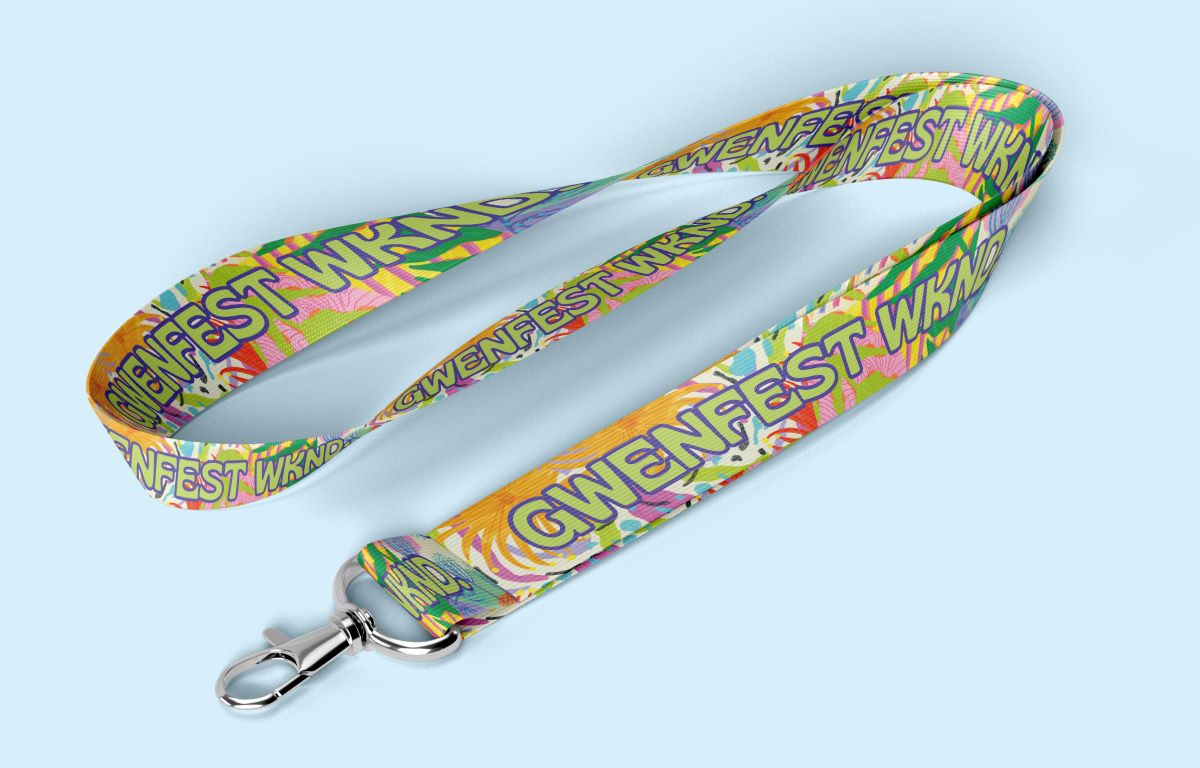
Printed lanyards are popular because they handle colour well and suit most logos. Woven designs can look more textured and durable, but may be less flexible for gradients or detailed artwork.
Blank lanyards can work for tight budgets or last-minute needs, but they lose the branding impact that most organisations want from custom lanyards.
Which printing method makes the most sense for their design?
They should choose print method based on logo complexity, colour needs, and budget. Dye-sublimation suits full-colour designs and repeated branding. Screen printing can be cost-effective for simple logos in limited colours.
If they want a premium finish for executive roles, they can compare sheen, sharpness, and how the print looks under indoor lighting at typical Australian venues.
How should they approach colour matching and branding guidelines?
They should share brand colours early and confirm whether exact Pantone matching is required. Screens can mislead, so a proof is essential, especially for organisations with strict identity standards like universities, councils, and national retailers.
When custom lanyards are used alongside uniforms, they should check contrast so the logo stays readable in photos and at a distance.
What information should appear on the lanyard, and what should not?
They should keep it useful and uncluttered. A logo, event name, or department label is often enough, and repeating it along the strap improves recognition.
They should avoid printing personal details that create privacy risks. If they need role identification, they can use badge inserts or coloured card holders rather than permanent text on custom lanyards.
How can they use colour and design to organise staff and attendees?
They can assign colours by role: security, volunteers, speakers, media, exhibitors, and VIP. This helps attendees find help quickly and reduces confusion at entry points.
For large Australian events, colour-coding combined with clear badge inserts often works better than cramming extra text onto custom lanyards.
Should they add accessories like badge holders, reels, or clips?
Accessories can make the system work smoothly, but they should be selected with intent. A clear PVC holder protects badges from weather, which matters for outdoor events in places like Hobart or Newcastle.
Retractable reels can help with frequent scanning. If they choose reels, they should ensure the lanyard and fitting can handle the extra pull so custom lanyards stay reliable.
What order quantities and spares should they plan for?
They should order for the expected headcount plus a buffer. Staff turnover, forgotten lanyards, last-minute contractors, and unexpected VIPs happen often.
A practical approach is to add 5 to 15 percent spares depending on event size. This is cheaper than rushed reprints and keeps custom lanyards consistent across the team.
How long will production and shipping take within Australia?
They should confirm timelines before approving artwork. Production time varies by print method and volume, and shipping can be impacted by location and seasonal demand.
For regional deliveries in Australia, they should allow extra transit time. If the event date is tight, they should ask about express options for custom lanyards and whether proofs will slow the schedule.
What proofing process helps avoid expensive mistakes?
They should request a digital proof and check spelling, logo placement, colour notes, and hardware selection. If brand accuracy is critical, they can also request a physical sample, especially for larger orders.
It’s easier to fix a proof than to explain a misprinted batch on event morning. A careful proof stage protects the value of custom lanyards as a brand asset.
How should they balance budget against quality?
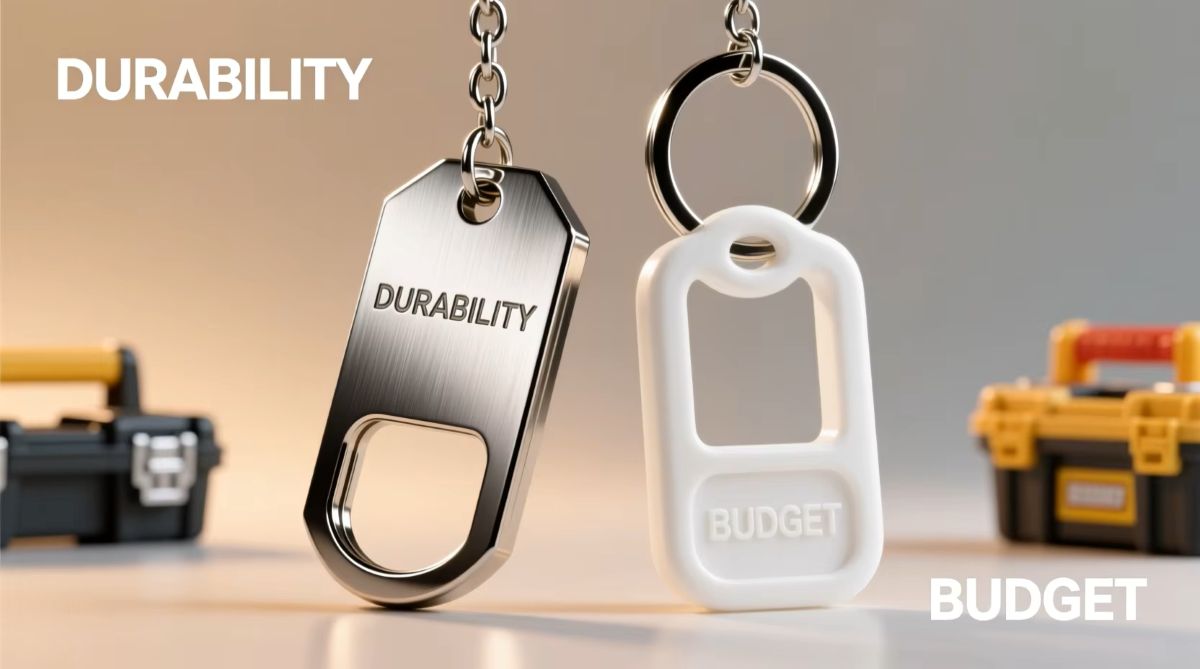
They should set a realistic budget based on how long the lanyards must last. One-off community events can prioritise affordability, while ongoing staff use benefits from stronger materials and better fittings.
Cheap hardware failures cost more in disruption than the upgrade would have. Investing slightly more can make custom lanyards look sharper and perform better.
Are eco-friendly lanyards worth considering for Australian organisations?
They can be, if sustainability is part of the organisation’s messaging or procurement policy. Recycled PET materials are commonly offered and can support ESG reporting or council expectations.
They should still check comfort, print quality, and whether the “eco” option fits the actual use case. The best custom lanyards are the ones that meet the brief and get reused.
What questions should they ask a supplier before ordering?
They should ask for material options, print method recommendations, proof timelines, production lead times, and clear pricing that includes fittings and GST. They should also confirm whether artwork setup fees apply and what file formats are needed.
A good supplier will explain trade-offs clearly and help them avoid over-ordering or choosing the wrong hardware for their custom lanyards.
Other Resources : A Guide to Mandatory ESG Reporting in Australia
What’s a simple checklist they can use before they click “approve”?
They should confirm purpose, wearer comfort, safety needs, material, width, fitting, print method, proof accuracy, quantities with spares, and delivery date. If anything is unclear, they should resolve it before sign-off.
When these basics are locked in, custom lanyards stop being a last-minute detail and become a small, reliable system that keeps staff visible, organised, and on-brand across Australia.
More to Read : Safety Breakaway Clips and Other Features Custom Lanyards Australia Suppliers Add
FAQs (Frequently Asked Questions)
What are the primary purposes of custom lanyards in different event settings?
Custom lanyards serve various functions such as ID display, access control, wayfinding, and branding. Defining their purpose upfront helps in selecting suitable width, fittings, print style, and materials tailored to the event type—be it a security-focused FIFO site induction in WA or a comfort-prioritized charity run in Adelaide.
How do I choose the right material for custom lanyards to balance comfort and branding?
Polyester is cost-effective and prints well for most events, while nylon offers a smoother, premium feel ideal for corporate or VIP roles. Tubular styles provide extra softness, and recycled materials support eco-friendly messaging but require confirmation on finish and print durability to ensure quality.
What factors should I consider regarding lanyard width and length for optimal visibility and comfort?
Most teams select widths between 15mm to 25mm; wider lanyards enhance logo visibility and lie flatter, whereas narrower ones feel lighter. Length should be chosen to position badges consistently at chest height for easy scanning at venues across cities like Perth, Canberra, or the Gold Coast.
Which attachment fittings are best suited for different badge types on custom lanyards?
Choose fittings based on what the lanyard carries: trigger clips are common for light ID holders; swivel hooks reduce twisting and keep badges facing forward; stronger hardware is necessary if carrying multiple items to prevent failure during events.
When should safety breakaways or compliance features be included with custom lanyards?
Safety breakaway clips are essential in environments prone to snagging such as schools, warehouses, and busy public events. Australian workplaces often require risk controls even for small details like lanyards. Quick-release buckles can also be considered for high-activity settings to detach items without removing the entire lanyard.
How can colour coding and design improve organisation of staff and attendees using custom lanyards?
Assigning colours by role—such as security, volunteers, speakers, media, exhibitors, and VIPs—helps attendees quickly identify personnel and reduces confusion at entry points. Combining colour-coding with clear badge inserts works better than overcrowding the lanyard strap with text for large Australian events.