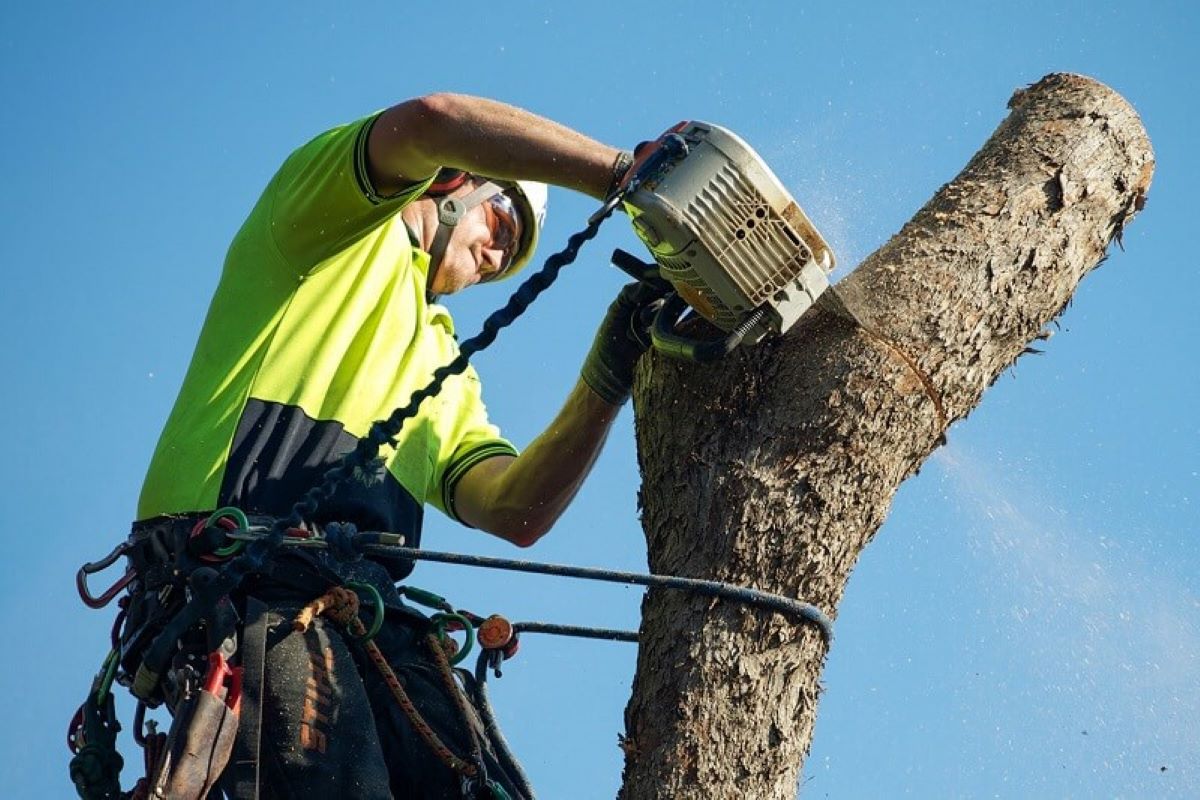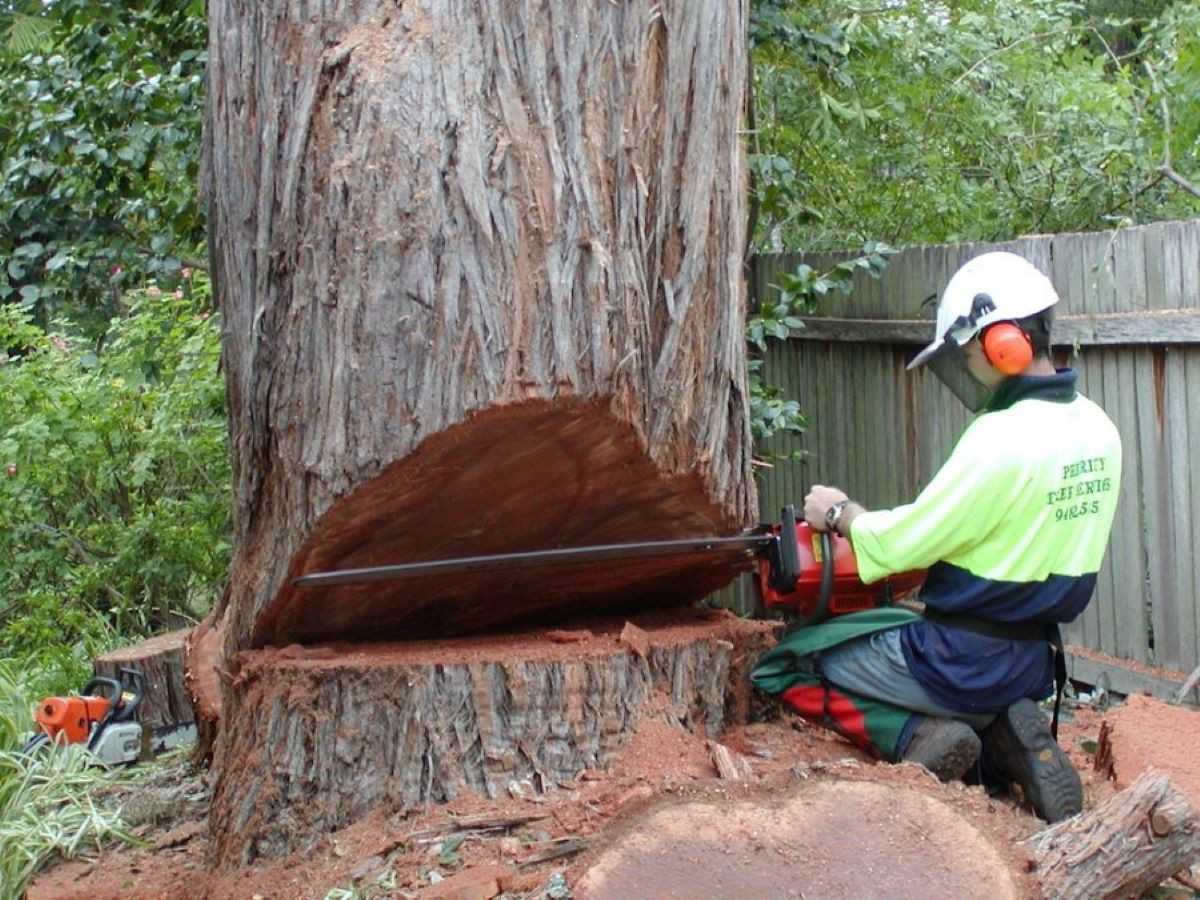
This guide explains when insurers typically expect a removalist to be involved, what evidence is needed, and how to avoid common claim delays.
When does an insurer usually expect a tree removalist to be involved?
They usually expect a tree removalist when the tree has fallen, is unstable, or poses an immediate hazard to people or property. If the tree is resting on a roof, blocking access, leaning dangerously, or has lifted roots, insurers generally want a professional assessment and controlled removal.
Insurers also tend to require professional involvement when a chainsaw job could worsen damage or create liability.
What types of damage commonly trigger a tree-related insurance claim?
The most common triggers are storm-felled trees damaging roofs, gutters, fences, sheds, cars, and power lines. Large limbs dropping onto structures and splitting trees that become unstable after high winds are also frequent.
In some cases, a tree does not hit the home but causes damage by uprooting and cracking paving, retaining walls, or underground services. Whether this is covered depends heavily on the policy wording and cause.
Is a tree removalist required for emergency make-safe work?
Often, yes. If the site is unsafe, they may need a removalist to stabilise or remove the hazard before any assessor can properly inspect. Emergency works typically include cutting a tree off a roof, clearing access, or removing hanging limbs.
They should keep the work strictly to “make-safe” where possible. Insurers can question costs if non-urgent work is completed before approval.”
What evidence do insurers usually need before removal happens?
They usually need clear photos and basic details showing the cause and extent of the damage. Ideally, they should photograph the tree in place before cutting, including wide shots and close-ups of impact points.
It also helps to record the date, time, weather event, and any relevant context such as visible decay, split trunks, or uprooted bases. If safe, they can take short videos to show instability or movement in wind.
Can they remove the tree before the insurer inspects it?
They can, but it is risky unless the situation is an emergency. Many policies allow urgent work to prevent further damage, yet insurers may still want evidence that removal was necessary and proportionate.
If they must remove it, they should document heavily first, keep sections of the tree where practical, and obtain an itemised invoice that describes why the work was required. When in doubt, they should call the insurer’s claims line before cutting.
How does a tree removalist help strengthen an insurance claim?
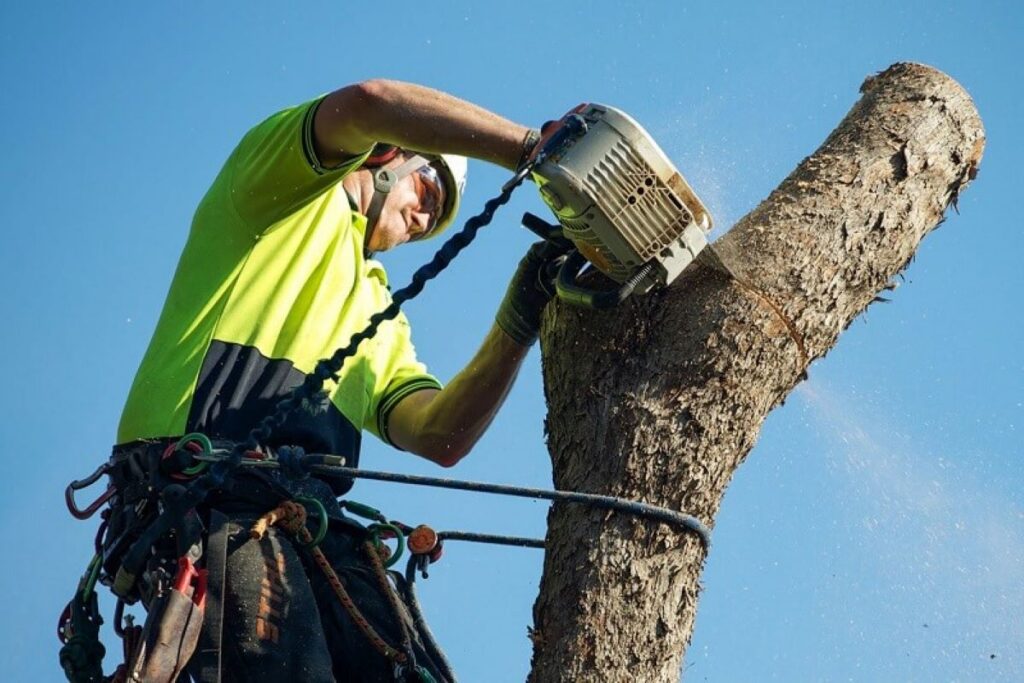
They provide professional observations that support causation and necessity. For example, a removalist may note that the tree failed due to storm force, a split union, or root plate lift, and that the remaining trunk was unsafe.
They also provide formal paperwork: scope of works, risk notes, disposal details, and sometimes photos taken during removal. This can help a claim proceed faster than relying on brief homeowner descriptions.
When might an insurer reject a claim without a removalist’s assessment?
They may reject or reduce a claim when the damage appears linked to poor maintenance rather than a sudden insured event. If a tree shows obvious rot, termite damage, or long-term leaning, the insurer may argue it was foreseeable and preventable.
A removalist report does not guarantee cover, but it can clarify what failed and why. Without it, the insurer may default to “gradual deterioration” assumptions. You may like to visit https://watonbaskets.com/emergency-tree-removal-sydney-insurance/ to learn Is Emergency Tree Removal in Sydney Covered by Insurance?
Do they need a qualified arborist or is a removalist enough?
For straightforward removal after a storm, a reputable removalist is often enough. For disputed claims, boundary trees, or allegations of pre-existing decay, an arborist report can carry more weight because it focuses on tree health, structural integrity, and failure analysis.
If the insurer is questioning liability or maintenance, they may benefit from engaging an arborist early, even if a removalist performs the actual works.
Other Resources : Storm and flood preparation and recovery | Service NSW
What should they look for in invoices and reports for insurance purposes?
They should ask for itemised documentation that ties tasks to risk and damage. Good invoices usually list call-out fees, equipment, labour hours, access constraints, traffic control if needed, and disposal.
Wording matters. Notes like “emergency make-safe due to tree resting on roof” or “hanging limb above driveway posing immediate danger” are clearer than generic lines like “tree removal”.
How can they avoid the most common delays in tree insurance claims?
They should avoid doing non-urgent full removals before notifying the insurer, and they should not discard all evidence too quickly. Missing photos, vague invoices, and unclear timelines are common reasons claims stall.
They can speed things up by lodging the claim promptly, keeping receipts, documenting temporary repairs, and ensuring contractors are licensed and insured. If multiple trades are involved, they should keep a simple file of all communications and quotes.
What is the simplest checklist they can follow after a tree incident?
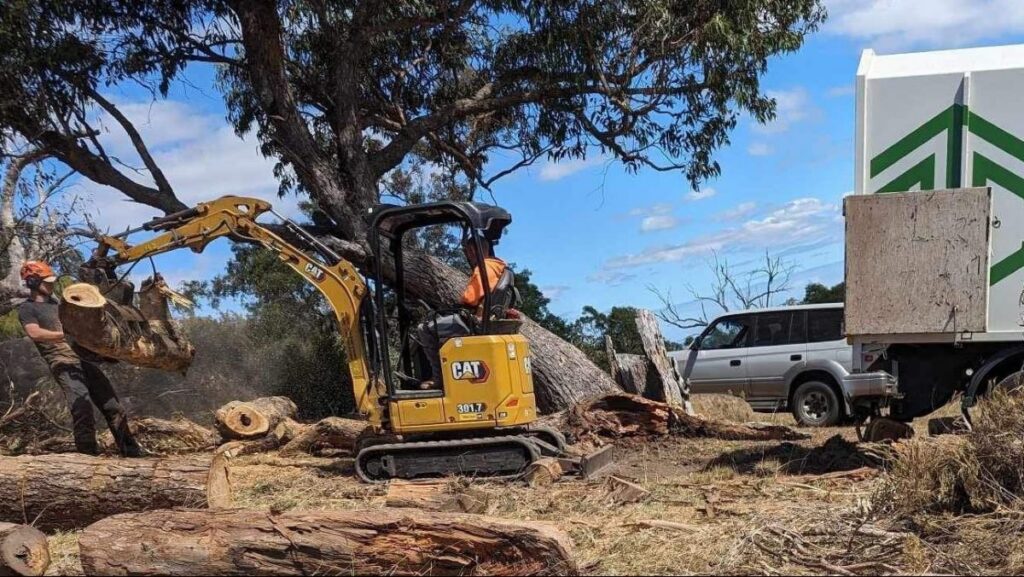
They should prioritise safety, then evidence, then approvals. If the site is dangerous, they should keep people clear and call emergency services for powerline risks.
After that, they should: take photos, contact the insurer, arrange make-safe work if required, and keep all invoices and notes. A careful, well-documented first 24 hours often makes the difference between a smooth claim and weeks of back-and-forth.
FAQs (Frequently Asked Questions)
When do insurers typically require a qualified tree removalist to be involved in a claim?
Insurers usually expect a qualified tree removalist when a tree has fallen, is unstable, or poses an immediate hazard to people or property. This includes situations where the tree is resting on a roof, blocking access, leaning dangerously, or has lifted roots. Professional assessment and controlled removal are generally required to meet insurer expectations and ensure safety.
What types of tree-related damage commonly trigger insurance claims?
Common triggers for tree-related insurance claims include storm-felled trees damaging roofs, gutters, fences, sheds, vehicles, and power lines. Additionally, large limbs dropping onto structures and splitting trees that become unstable after high winds are frequent causes. Damage from uprooted trees cracking paving, retaining walls, or underground services may also be considered depending on policy wording and cause.
Is it necessary to have a tree removalist perform emergency make-safe work before an insurer’s inspection?
Often, yes. If the site is unsafe due to fallen or unstable trees, insurers typically require a removalist to stabilise or remove hazards before an assessor can properly inspect the damage. Emergency make-safe work includes cutting a tree off a roof, clearing access pathways, or removing hanging limbs. However, such work should be limited strictly to make-safe measures to avoid disputes over non-urgent costs.
What evidence should be collected before removing a damaged tree for insurance purposes?
Insurers usually require clear photographs showing the cause and extent of damage before removal. This includes wide shots of the tree in place as well as close-ups of impact points. Recording the date, time, weather event details, and any visible signs like decay or uprooting is helpful. Short videos demonstrating instability can also support the claim. Proper documentation ensures compliance with insurer requirements and helps prevent claim delays.
Can homeowners remove a damaged tree before their insurer inspects it?
Removing a damaged tree before insurer inspection is risky unless it’s an emergency to prevent further harm. Many policies allow urgent work but require evidence that removal was necessary and proportionate. If removal is essential beforehand, homeowners should document extensively with photos and keep sections of the tree if possible. Obtaining an itemised invoice detailing why the work was required is crucial. When uncertain, contacting the insurer’s claims line prior to cutting is advisable.
How does involving a qualified tree removalist strengthen an insurance claim?
A qualified tree removalist provides professional observations supporting causation and necessity for removal—for example, noting failure due to storm force or structural weaknesses like split unions or root plate lift. They supply formal paperwork including scope of works, risk assessments, disposal details, and often photos taken during removal. This comprehensive documentation helps claims proceed more smoothly compared to relying solely on homeowner descriptions.