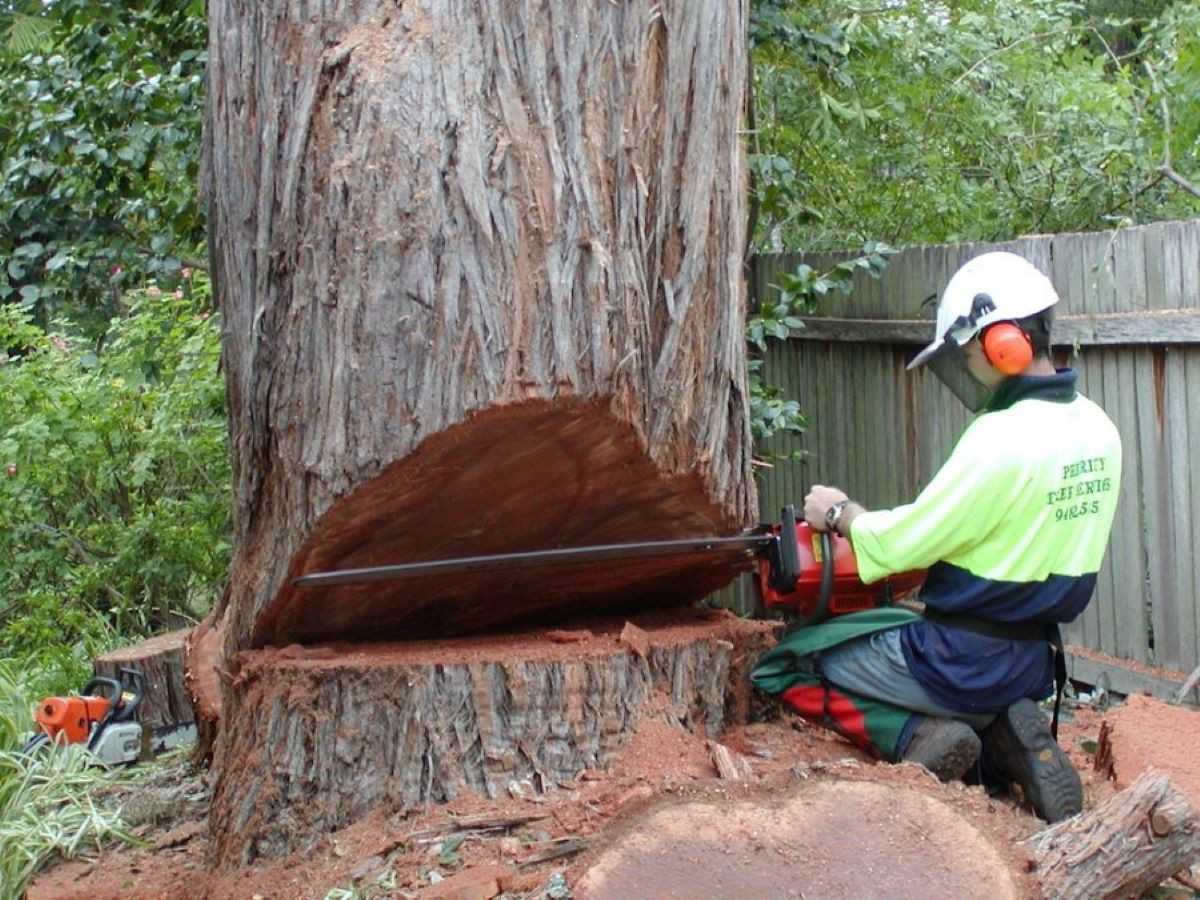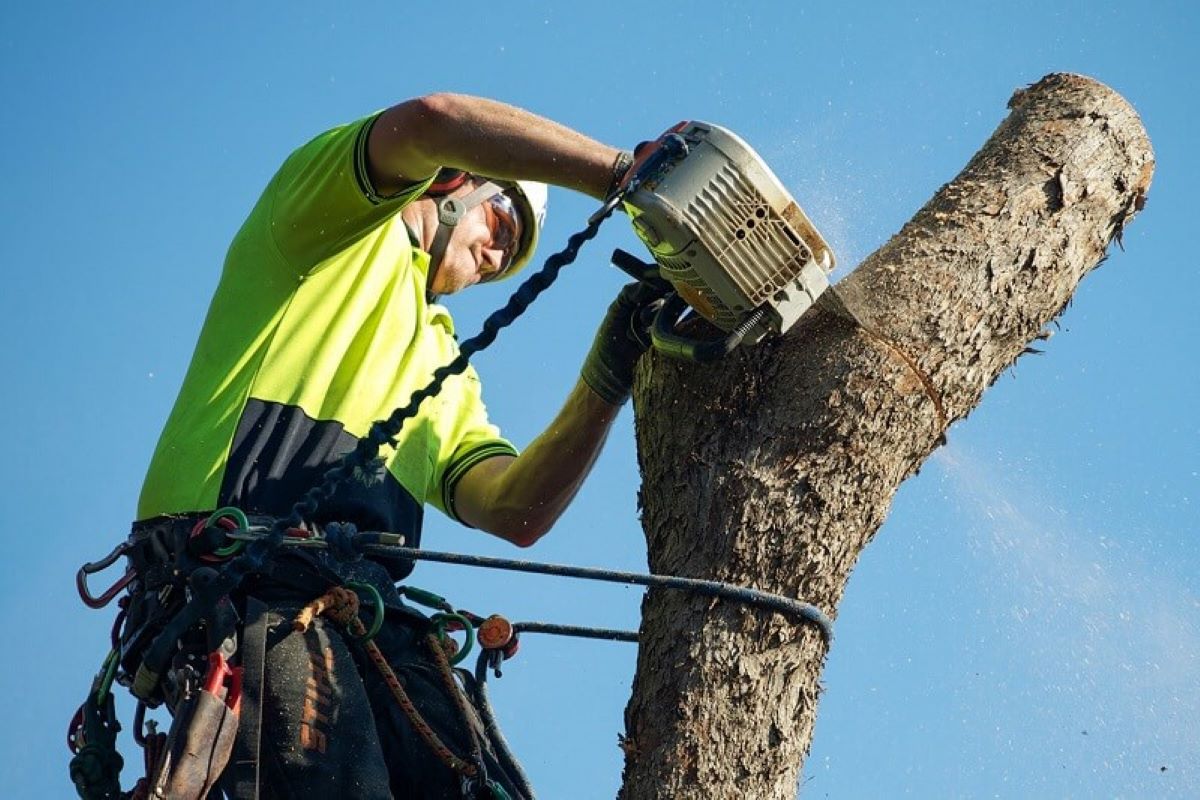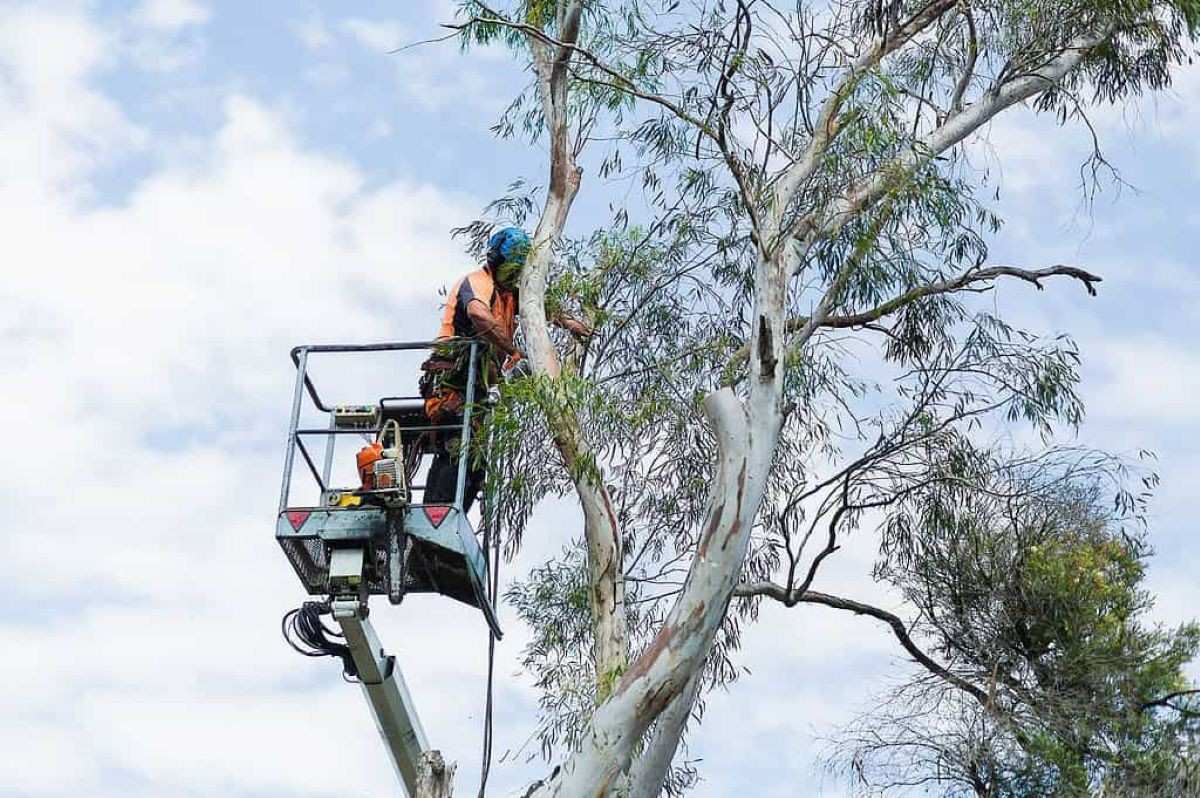
The key is understanding what your policy treats as an insured event, what it classifies as maintenance, and what evidence you need to support an urgent call-out.
What Types of Storm Damage Does Insurance Cover for Tree Removal?
Many home and contents policies can contribute to emergency tree removal Sydney, but usually only after an “insured event” such as storm, wind, lightning, or impact. In practice, cover is most likely when a sudden event causes the tree or limb to fall and it either damages insured property or creates an immediate hazard that must be made safe.
What counts as an insured trigger event?
Typically, insurers look for a clear cause like severe wind, a storm cell, or lightning that directly led to the failure. If the tree fell during the event window and there is visible damage or a safety risk, you are closer to meeting the definition of an insured incident.
What situations are commonly covered?
Coverage often applies when a fallen tree or limb:
- Lands on your home, garage, fence, carport, or other insured structures
- Breaks roof tiles, gutters, windows, or causes internal water entry
- Blocks the only safe access point, driveway, or an essential exit route
- Creates an immediate risk, such as a hung-up limb over a bedroom, footpath, or vehicle
Even then, some policies focus on paying for repairs to the damaged building and only include limited “debris removal” benefits for tree work. “
What limits and approvals should you expect?
Many insurers apply caps or sub-limits for debris removal and tree cutting, especially if there is no building damage. Some also require approval before non-urgent work starts, so it’s worth checking your Product Disclosure Statement (PDS) and calling the claims line as early as possible.
Why does the removal method matter in Sydney?
Storm-damaged trees often involve power lines, tight access, nearby roofs, and traffic management. Safe removal can require rigging, staged dismantling, and careful drop zones, which is why insurers usually prefer qualified operators. Emergency call-outs can also raise the overall tree removal cost in Sydney, and insurance may only offset that cost if the scenario fits the policy wording.
When Will Insurance Not Cover Emergency Tree Removal?
Insurance often will not pay when the work is classed as maintenance rather than the result of an insured event. If the tree has not caused insured damage and there is no covered trigger, you may be responsible for the full cost.
Is preventative removal usually excluded?
Yes, most policies won’t cover removal because a tree is leaning, overgrown, or “looks risky” if it has not failed due to an insured event. Preventative removal is usually treated as property upkeep, even if the risk feels urgent to you.
What if the tree was already dead or unhealthy?
If an insurer believes the tree was dead, drying, diseased, termite-affected, or structurally compromised before the storm, they may decline the claim. The argument is often that the loss was caused by a pre-existing issue rather than a sudden insured event, which is why regular health and risk assessments matter.
Do council rules affect insurance outcomes?
Sydney tree preservation laws can require council approval to remove or heavily lop certain trees, especially if they meet size or species thresholds. Insurance does not override local council rules, and unauthorised removal can create compliance problems that complicate a claim later. If you are unsure, ask your arborist and check your local council’s requirements before scheduling non-urgent removal.
If it’s not covered, what drives the out-of-pocket cost?
If you’re paying privately, pricing commonly depends on:
- Height, trunk diameter, and canopy spread
- Access (narrow driveways, rear gardens, steep plots)
- Proximity to structures, neighbours, and powerlines
- Whether a crane, elevated work platform, or complex rigging is needed
- After-hours emergency call-out rates
- Stump grinding, green waste removal, and site clean-up
Should you ever DIY an emergency removal?
No. Even if insurance won’t pay, emergency situations involve unstable trunks, hidden tension in limbs, and unpredictable movement as cuts are made. This is where injuries and property damage happen fast, so a planned, professional approach is the safer option.
What Should You Do After a Tree Falls on Your Property?
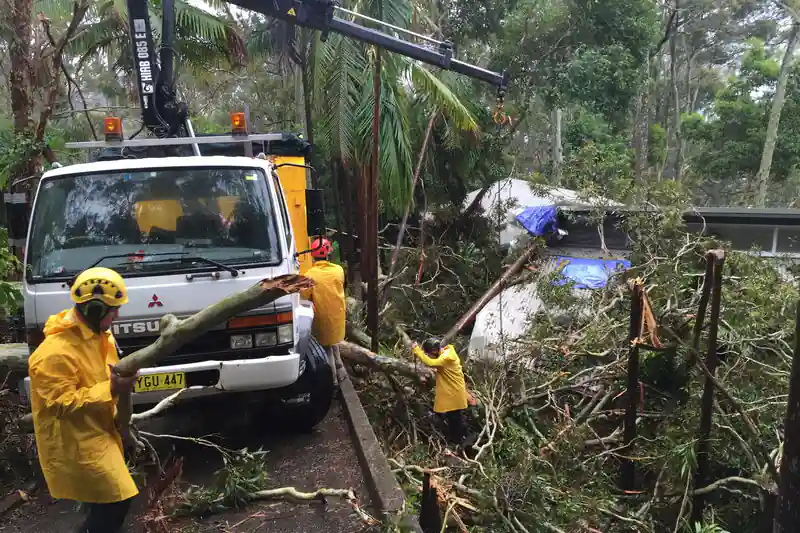
Treat it as a live hazard first, then think about clean-up and insurance. Your priority is preventing injuries and stopping further damage.
What’s the immediate safety checklist?
Start with simple controls:
- Keep people and pets well away from the tree and any hanging limbs
- Watch for suspended branches, cracked unions, and shifting root plates
- Avoid moving large limbs that may be supporting other sections
- If the tree is on a roof, do not climb up or cut from the roof edge
If water is entering the home, only take safe, temporary steps such as placing buckets or tarps, and avoid working under unstable branches.
What if there are power lines involved?
Do not approach. Treat any nearby or tangled lines as live and dangerous. Call your electricity distributor or emergency services, and wait for clearance. Tree removal near lines requires trained crews, exclusion zones, and specific safety planning.
Who should assess the tree and plan the work?
A qualified arborist or experienced tree removal company can assess stability and risk, then plan a safe cutting method. In storm damage jobs, this commonly means rigging and staged dismantling rather than dropping large sections in one go.
What work might you actually need?
Depending on the damage and risk, the scope can include:
- Emergency “make-safe” cuts to remove immediate hazards
- Full tree removal from top to roots when the tree is unsafe or dead
- Stump removal or stump grinding to eliminate trip hazards and regrowth
- Green waste removal and mulching
- Post-removal inspection and practical tree-care recommendations for remaining trees
How long does it usually take?
Many jobs are done in two phases: immediate triage first (make safe), then full clean-up later. The second stage may depend on insurer approval, access to equipment, and council requirements where permits apply. Learn more about tree removal requirements for insurance claims and when a professional arborist is needed for insurance-approved work.
How Do You File an Insurance Claim for Emergency Tree Removal?
You’ll get faster outcomes by treating your claim like a documented incident report. Collect key details early and keep everything itemised.
What information should you gather first?
Have these ready:
- Policy number and property address
- Date and time of the event (or best estimate)
- What happened (storm winds, lightning strike, sudden limb failure)
- What the tree hit or blocked, and what was damaged
- Safety steps you took to reduce further loss
What evidence helps most?
Aim for a clear evidence package:
- Photos and videos from multiple angles before any cutting
- Close-ups of damage points (roof, gutters, fences, vehicles)
- Wider shots showing the tree position and access blockage
- Any SES, council, or strata notices if applicable
- An arborist assessment or short hazard report where possible
- Itemised quotes and invoices for tree removal services in Sydney, separated into “make-safe” and “full removal/clean-up”
What happens after you lodge the claim?
The insurer may send an assessor, request additional photos, or ask for quotes from preferred suppliers. Claims can move faster when you clearly explain why urgent work was required for safety, access, or to prevent further property damage.
Can you act first and claim later?
Sometimes you must act immediately to prevent injury or further loss, especially when there is a hanging limb or blocked exit. If you do, keep receipts, take plenty of pre-work photos, and try to get written confirmation from the insurer as soon as possible. Also confirm your excess and any debris-removal sub-limits so you’re not surprised by a partial reimbursement.
What should you do after the job is complete?
Keep post-removal photos and any inspection notes. Recommendations such as a risk assessment of remaining trees, selective pruning, or ongoing maintenance can help reduce repeat incidents and show the insurer you are managing known risks responsibly.
Can Emergency Tree Removal Companies Help With Insurance Claims?
Yes, a good operator can make the claims process easier by matching the job scope to what insurers expect. They can also help you avoid unsafe or non-compliant decisions under pressure.
What can a professional company provide for your claim?
Look for a provider who can supply:
- Hazard assessment notes and clear before-and-after photos
- An itemised scope of works separating “make-safe” from full removal
- Detailed invoices that list labour, equipment, traffic control, waste removal, and stump grinding (if included)
- Practical guidance on what can be staged if the insurer needs approval for non-urgent work
Why does safety planning matter even if you’re insured?
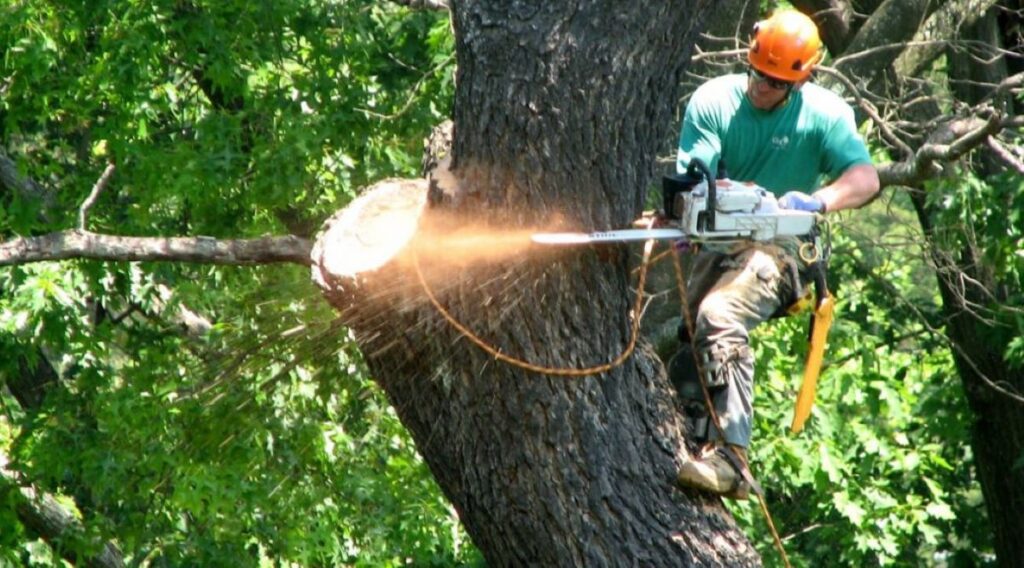
Insurance does not reduce the physical risk on the day. Professionals use PPE, rigging systems, controlled lowering, and a site-specific plan, which is particularly important with storm-loaded limbs and unstable trunks.
What does a local Sydney operator typically handle?
A local example is Trees Down Under, serving areas like the Hills District and North Shore, with services such as emergency tree removal, stump grinding, vegetation clearing, mulching, and site preparation. Providers with a regulatory compliance focus can also help you navigate council requirements, which reduces the chance of avoidable problems if a claim is scrutinised later.
How should you think about emergency pricing?
Emergency call-out pricing varies, and a reputable provider should explain what drives cost and what can be deferred. Often, the best approach is to pay for an immediate make-safe visit, then schedule the remaining removal and clean-up once you have insurer guidance and any required approvals.
Ultimately, emergency tree removal cover depends on the cause, the damage or hazard created, and your exact policy wording. Your fastest path is to make the site safe, document everything clearly, and use a compliant, professional removal team.