An arborist in Castle Hill focuses on safety, tree health, and compliance. They help households, strata, and businesses make decisions that reduce risk without stripping a property bare.
What does an arborist in Castle Hill actually do?
Castle Hill tree services expers assess trees, diagnose problems, and recommend the safest, most tree-friendly solution. That might be pruning for clearance, removing a hazardous tree, or improving soil conditions so a tree can recover.
Good arborists also plan work around local constraints like tight side access, nearby structures, and high pedestrian activity. Their goal is to manage trees so they remain assets, not liabilities.
When should property owners call an arborist?
They should call when a tree looks unstable, damaged, diseased, or suddenly drops limbs. They should also call before building works, driveway changes, pool installs, or major landscaping, because those projects often affect roots and tree stability.
If branches are close to roofs, powerlines, or a neighbour’s yard, early advice usually prevents expensive disputes later. Waiting until a storm hits can turn a manageable job into an emergency call-out.
How do they spot a hazardous tree before it fails?
They look for structural red flags like cracks, split unions, cavities, heavy lean, and weak attachment points. They also check the canopy for dieback, sudden thinning, and deadwood that indicates stress.
At ground level, they inspect root flare, soil heave, fungal fruiting bodies, and changes after construction. In suburbs like Castle Hill, root disturbance from renovations is a common trigger for later instability.
What tree pruning methods are best for suburban blocks?
They use targeted pruning that matches the tree’s species, age, and structure, not blunt “lopping.” The aim is to reduce weight on risky limbs, improve clearance, and keep a balanced canopy that can handle wind.
For many properties, the best outcomes come from staged pruning over time. It keeps the tree stable while maintaining privacy and shade, which matters on smaller blocks where every tree earns its space.
Can they remove a tree safely in tight residential access?
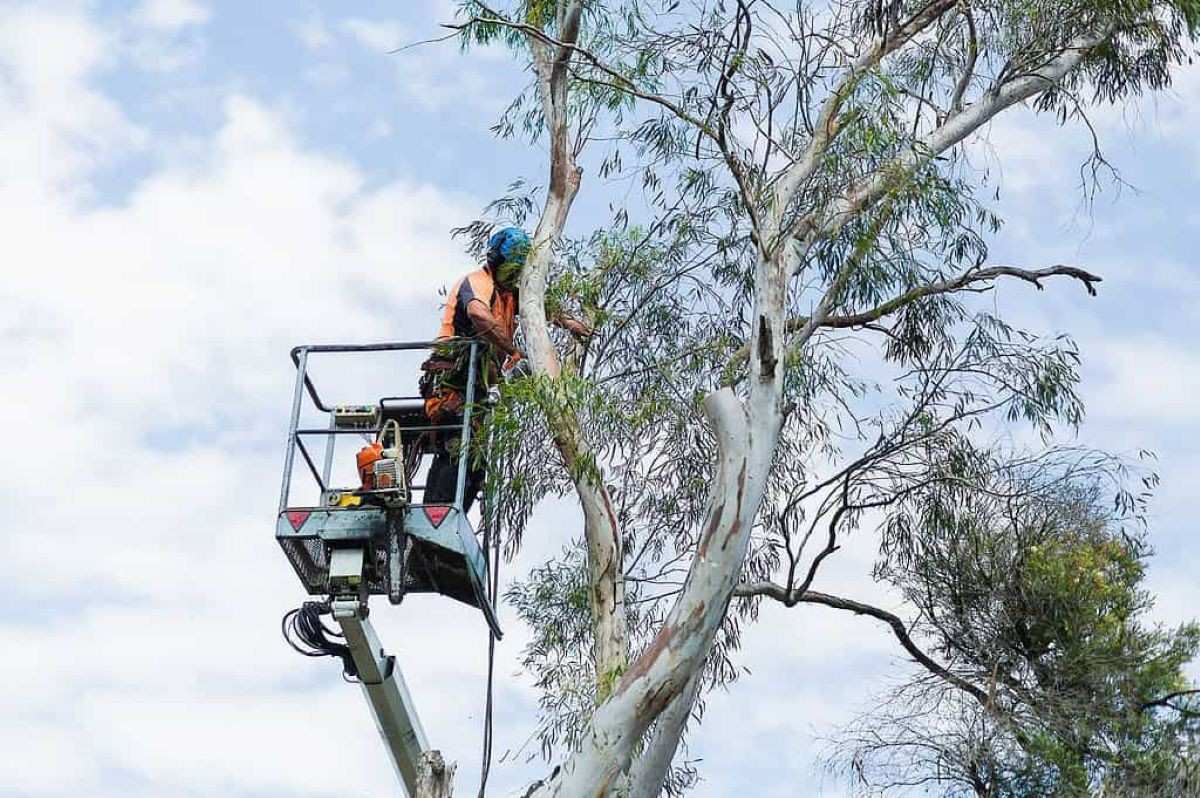
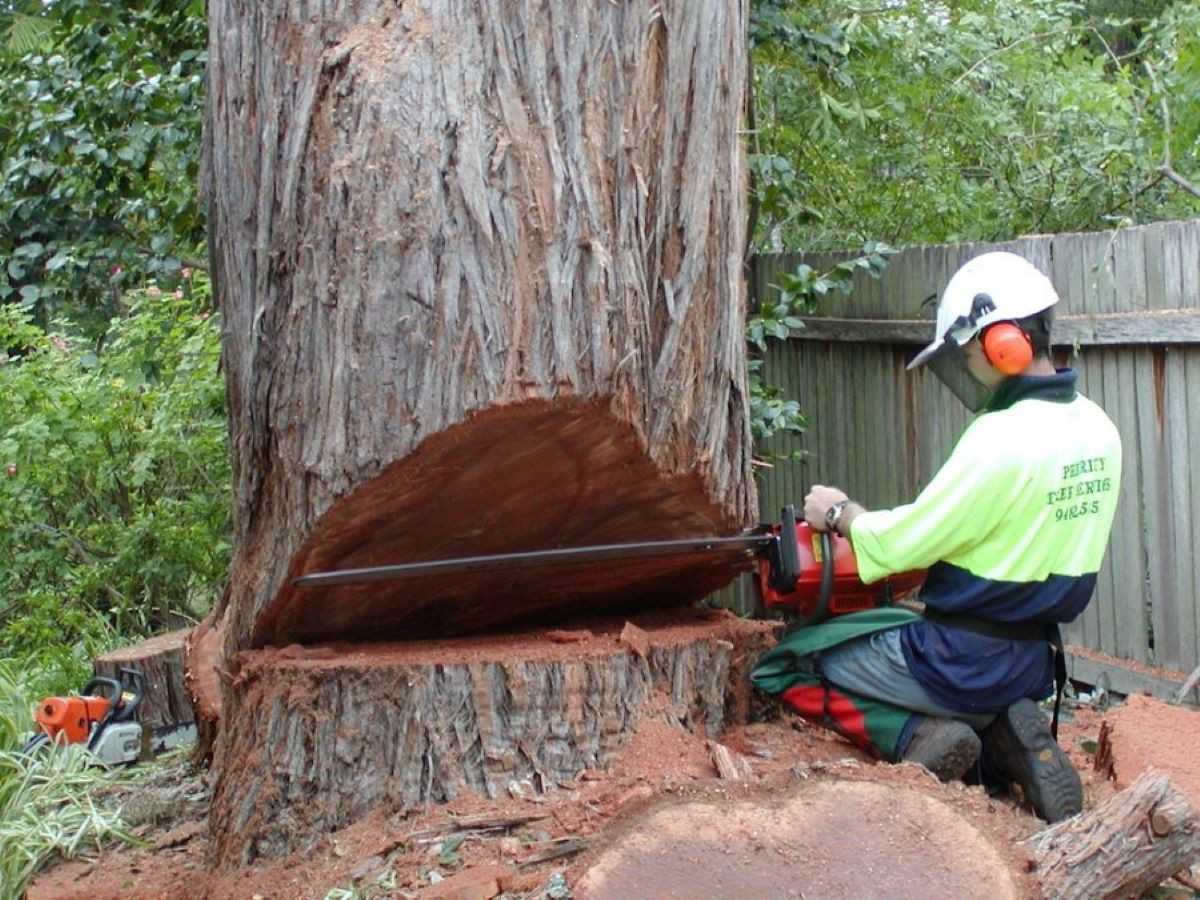
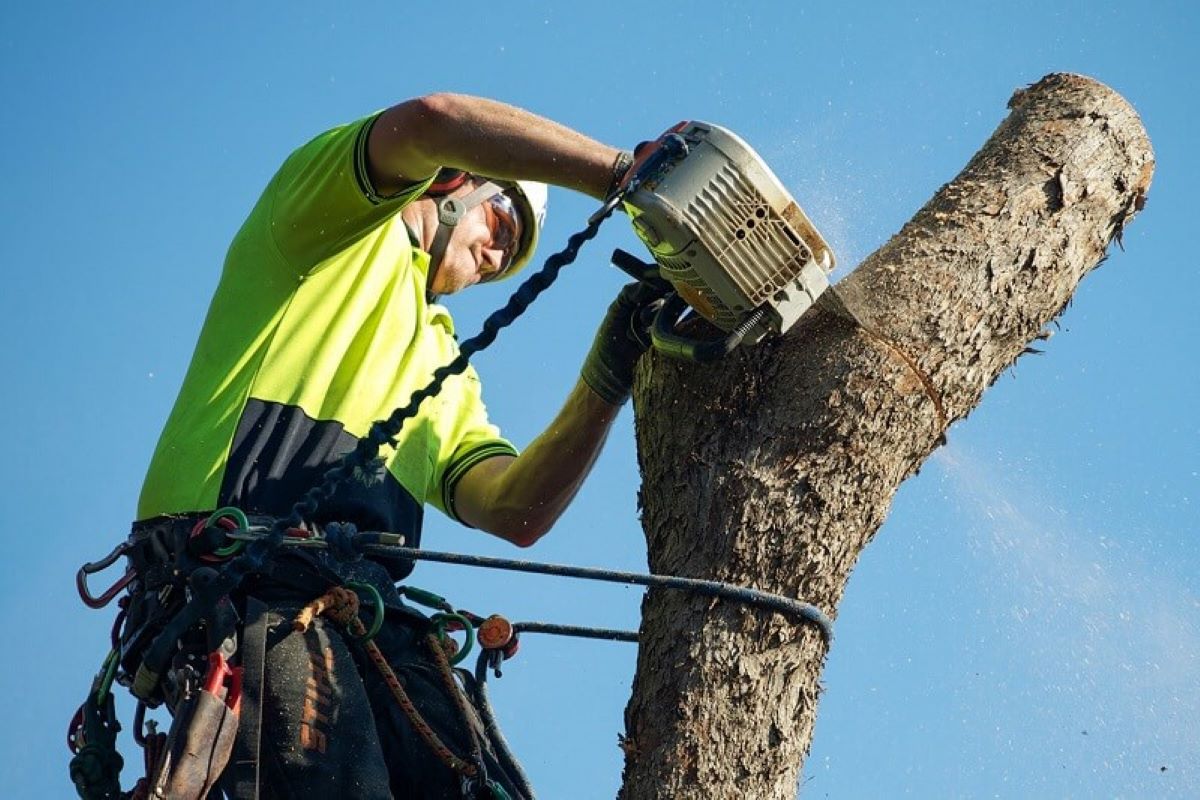
Yes, when they are properly equipped and insured. They can dismantle trees in sections using ropes and rigging to control each piece, protecting roofs, fences, gardens, and nearby vehicles.
They also plan drop zones, traffic control if needed, and safe egress for debris. In built-up streets, careful dismantling is often the difference between a clean job and property damage.
Do they handle stump grinding and root issues too?
Many arborists offer stump grinding after removal so the area can be replanted or paved. Grinding reduces trip hazards and helps prevent regrowth from some species.
Root issues often need a broader plan. They can advise on root barriers, pruning where appropriate, and strategies to reduce impacts on paving, retaining walls, and drainage without destabilising the tree.
How do they manage trees near powerlines and buildings?
They plan clearance pruning around structures and coordinate around powerline safety rules. For trees close to service lines, they focus on safe access and compliant distances, rather than aggressive cuts that cause weak regrowth.
Near roofs and gutters, they can reduce overhang, remove deadwood, and improve airflow. That helps reduce storm debris, gutter blockages, and the risk of branches impacting tiles or solar panels.
Other Resources : Slips, trips and falls
How do they deal with pests, disease, and stressed trees?
They start with diagnosis, because symptoms can look similar across pests, fungal issues, and environmental stress. Then they recommend actions like selective pruning, soil improvement, mulching, or treatment where appropriate.
In growing suburbs, stress is often caused by compacted soil, reduced permeability, and root disturbance from works next door. Good arborists treat the cause, not just the visible damage.
What should they consider about council rules and permissions in Castle Hill?
They should assume there may be rules around removing or heavily pruning certain trees, especially larger specimens or protected species. Arborists can help identify what approvals may be needed and what evidence supports an application.
Even when a tree is clearly problematic, documentation matters. Photos, risk notes, and a clear rationale can reduce delays and help owners avoid costly mistakes.
How can they choose the right arborist for the job?
They should look for proper qualifications, current insurance, and clear, written scope. A good arborist explains why a method is recommended, what the tree will look like after, and what risks remain.
They should also check whether the quote includes clean-up, waste removal, stump grinding if needed, and site protection. Vague quotes often become expensive once the job starts.
What does professional tree management cost, and what affects the quote?
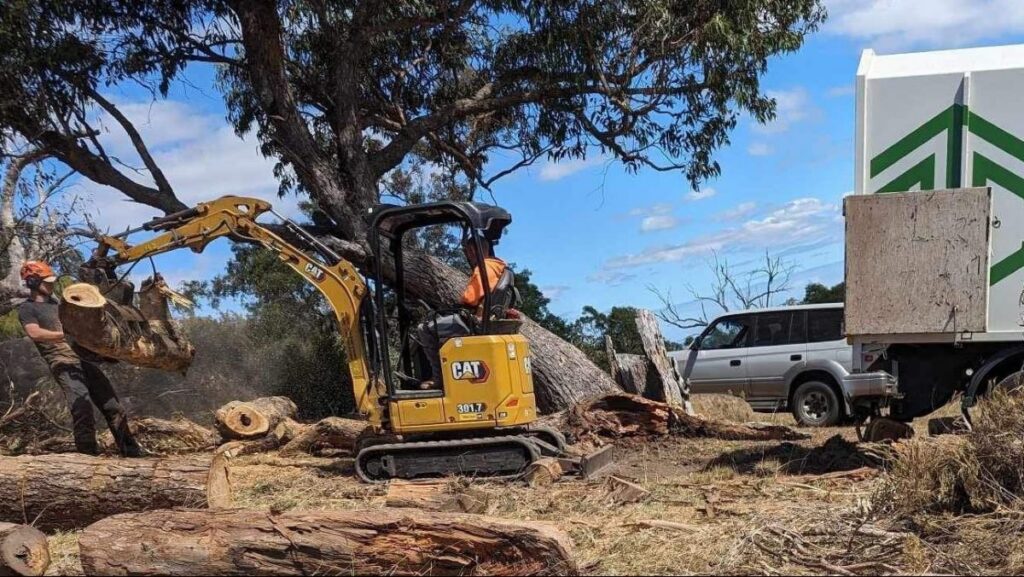
Costs depend on access, tree size, complexity, hazards, and disposal volume. A straightforward prune is usually cheaper than a technical removal above roofs, near lines, or over constrained gardens.
They should treat pricing as part of risk management. The cheapest option can become the most expensive if it leads to damage, poor regrowth, or non-compliant work.
How do they keep trees healthy as Castle Hill keeps developing?
They plan ahead. That means protecting root zones during renovations, maintaining mulch rings, improving soil conditions, and pruning at the right time rather than reactively.
Professional tree management is less about removing trees and more about keeping the right trees safe and thriving. In a suburb that is getting denser each year, that approach protects properties, neighbours, and the character that mature trees bring.
More to Read : Tree Pruning Cost Sydney: What Impacts the Final Price
FAQs (Frequently Asked Questions)
What services does an arborist in Castle Hill provide?
An arborist in Castle Hill assesses tree health, diagnoses problems, and recommends safe, tree-friendly solutions such as pruning for clearance, hazardous tree removal, and soil improvement. They manage trees considering local constraints to keep them assets rather than liabilities.
When is the best time to call a Castle Hill arborist?
Property owners should contact an arborist when trees appear unstable, damaged, diseased, or drop limbs suddenly. It’s also important to consult before building works or landscaping projects that may affect roots or stability, or when branches overhang roofs, powerlines, or neighbours’ yards to prevent costly disputes.
How do arborists identify hazardous trees in suburban areas like Castle Hill?
Arborists look for structural issues such as cracks, split unions, cavities, heavy lean, and weak attachments. They also examine canopy dieback, thinning, deadwood, root flare condition, soil changes, fungal growths, and signs of root disturbance often caused by nearby construction.
What are the recommended tree pruning methods for residential blocks in Castle Hill?
Targeted pruning tailored to the tree’s species, age, and structure is preferred over blunt lopping. This approach reduces weight on risky limbs, improves clearance from structures and powerlines, and maintains a balanced canopy. Staged pruning over time helps preserve privacy and shade on smaller suburban blocks.
Can arborists safely remove trees in tight residential access areas in Castle Hill?
Yes. Qualified arborists use ropes and rigging to dismantle trees section by section, protecting nearby roofs, fences, gardens, and vehicles. They also plan drop zones and traffic control to ensure safety and prevent property damage during removal in built-up streets.
How do Castle Hill arborists manage tree health amid ongoing development?
They implement proactive planning by protecting root zones during renovations, maintaining mulch rings, improving soil conditions, and scheduling timely pruning. This professional management focuses on sustaining healthy trees to preserve property safety and the suburb’s mature character despite increasing density.