

How Do Florists Design the Perfect Valentine’s Day Roses?
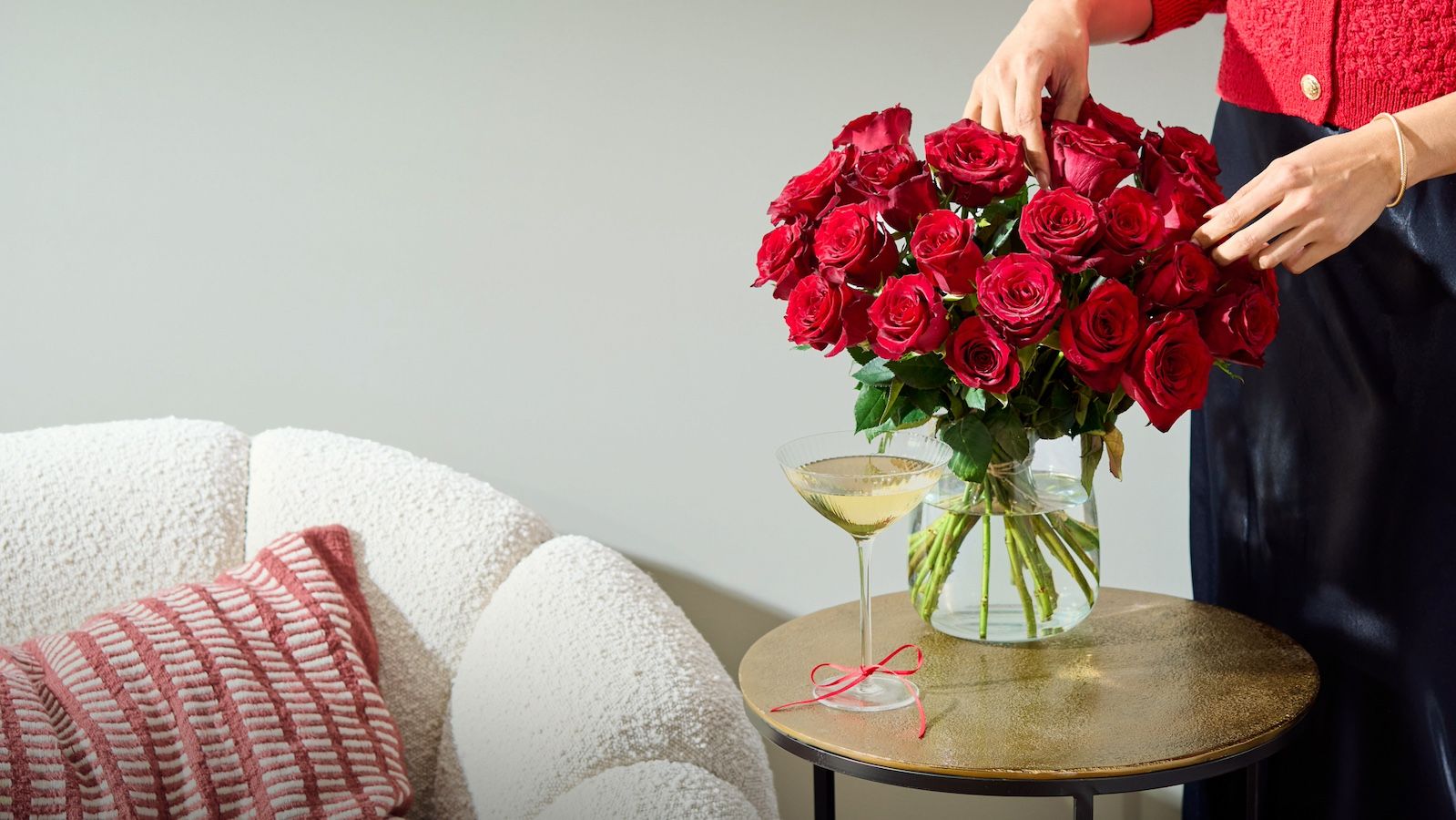
Creating the perfect Valentine’s Day roses requires a masterful blend of artistic vision and technical expertise. Florists transform simple blooms into powerful expressions of love through careful attention to every detail, from the initial selection of premium flowers to the final presentation.
The design process behind stunning Valentines Day roses involves multiple layers of skill and consideration. Professional florists draw upon years of experience to craft rose bouquets that capture the depth of emotion this special day represents. Each arrangement tells a unique story, shaped by the sender’s intentions and the recipient’s preferences.
This exploration of florist design reveals the intricate steps behind those breathtaking arrangements you see in shop windows. We’ll examine how professionals select the finest blooms, apply time-tested design principles to create visual harmony, and add personalised touches that make each bouquet memorable. The journey from fresh-cut roses to a finished masterpiece demonstrates the dedication florists bring to their craft, particularly during the busiest season of their year.
Understanding these techniques illuminates why professionally designed arrangements carry such impact. The difference between a simple bunch of roses and a thoughtfully crafted bouquet lies in the knowledge and artistry florists apply at every stage.
The Importance of Choosing the Right Roses for Valentine’s Day Bouquets
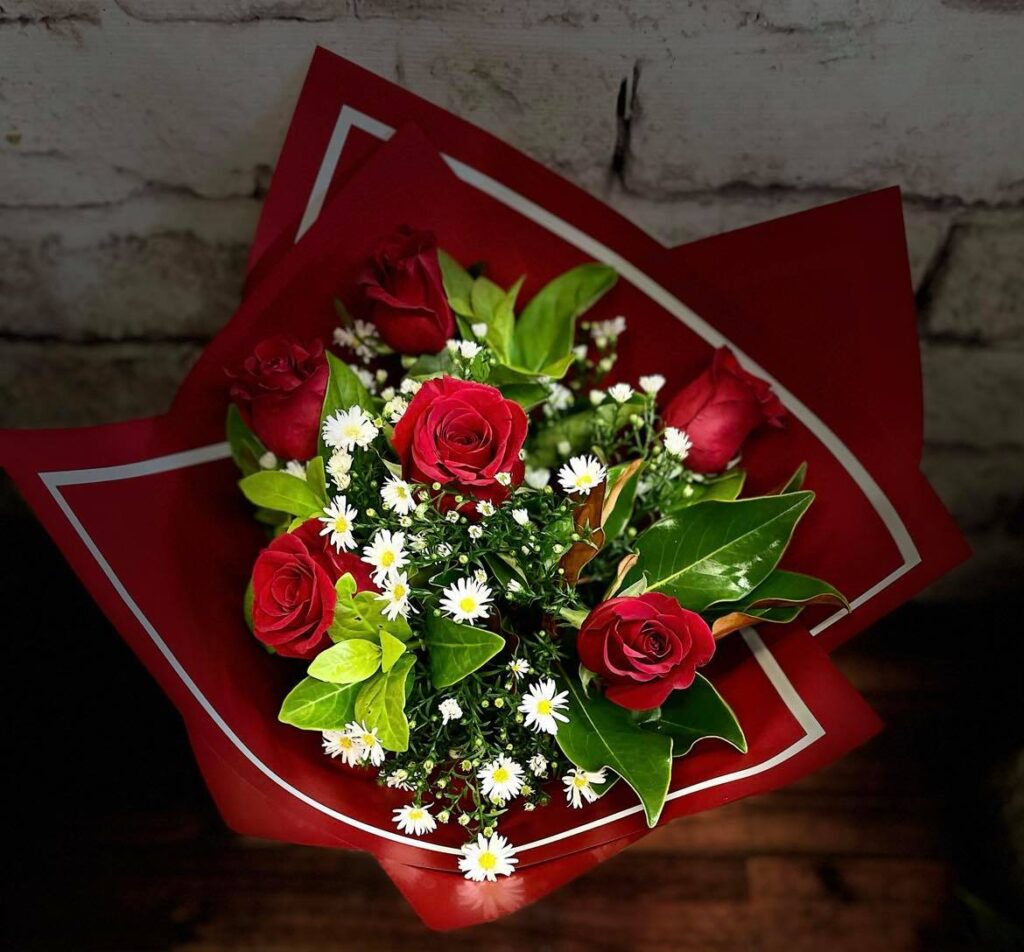
Selecting the right roses is crucial when it comes to creating stunning Valentine’s Day bouquets. High-quality roses with tightly closed buds and sturdy stems indicate freshness and durability, ensuring that the arrangement stays beautiful for several days after it’s been delivered.
Professional florists carefully examine each stem for signs of quality that casual buyers may miss. The petals should feel soft and smooth, with no brown edges. Stems must be straight, strong, and free from any imperfections. Leaves should be a vibrant shade of green, without any yellowing or wilting. These standards are what set apart average arrangements from truly unforgettable ones.
Why Red Roses Are the Most Popular Choice on Valentine’s Day
Red roses are the star of the show on Valentine’s Day because they are universally known to symbolise romantic love. Deep red varieties such as ‘Freedom’ and ‘Red Naomi’ have the richest colours that speak directly to the heart. Florists specifically look for roses with deep, velvety red hues instead of lighter shades that may appear faded.
The meaning behind different rose colours helps florists choose blooms that convey specific emotions. While red represents passionate love, each shade carries its own unique message:
- Dark burgundy roses signify unconscious beauty
- Bright scarlet roses represent desire and bravery
- Dark red roses symbolise everlasting devotion
Creating Contrast with Complementary Colours
By using strategic colour combinations, florists can make Valentine’s bouquets more visually appealing than if they were only using one colour. Pink roses soften the intensity of red, creating romantic gradients that appeal to a wide range of preferences. White roses add an element of sophistication and purity, while peach tones bring warmth and gratitude to the overall message.
Florists may also include lavender roses for a touch of magic or coral varieties for a burst of excitement. These complementary colours add visual interest without taking away from the romantic purpose behind the bouquet. It’s important to maintain red as the dominant colour—usually making up 60-70% of the arrangement—while using accent colours to enhance rather than compete with it.
Freshly picked roses in different shades allow florists to create multi-dimensional bouquets that reflect light differently from every angle. This technique of layering transforms a simple bunch into an elegant floral statement that grabs attention as soon as someone walks into the room.
How Do Florists Arrange Roses Beautifully Using Design Principles?
Florists use three basic design principles: balance, proportion, and harmony to create beautiful arrangements with roses. These principles influence every choice made during the arrangement process, ensuring that each bouquet is visually striking while still being structurally sound.
Balance
Balance refers to how weight and visual interest are distributed throughout the arrangement. Florists achieve balance in two ways:
- Symmetrical balance: This is when roses are placed evenly on both sides of a central line, creating a formal and elegant bouquet.
- Asymmetrical balance: In this approach, larger flowers are balanced out by groups of smaller elements, creating movement and directing the viewer’s gaze across the entire composition.
For example, one side of the arrangement may have a dozen long-stemmed roses as the anchor, while delicate spray roses and foliage counterbalance the other side.
Proportion
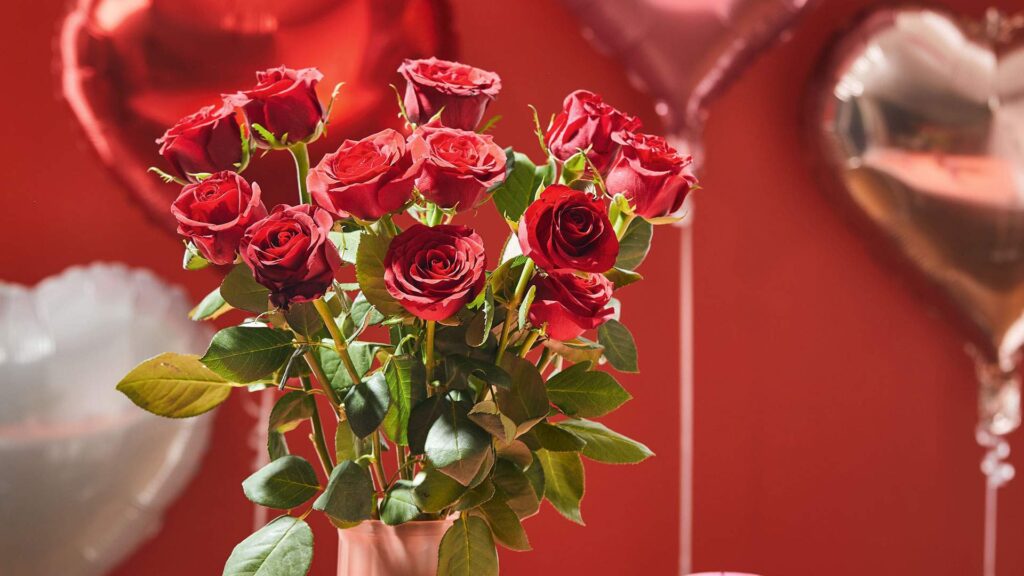
Proportion is all about the relationship between different elements in the bouquet. Professional florists often use the golden ratio to determine how long the stems should be, how big the blooms should be, and what ratio of roses to supporting materials they should use.
In a hand-tied bouquet, for instance, it is common for the roses to extend 1.5 times the height of either the container or where it is being bound. The largest flowers act as focal points and are placed at different heights to create depth, while smaller roses fill in any gaps without overpowering the main flowers.
Harmony
Harmony brings all parts together into one unified whole. Florists achieve harmony through various techniques such as:
- Repeating similar shapes and textures throughout the arrangement
- Limiting the colour palette to colours that complement or are adjacent to each other
- Maintaining consistent spacing between blooms
- Choosing materials that have similar visual weights
The strategic use of greenery transforms a simple rose bouquet into a sophisticated floral arrangement. Eucalyptus leaves add silvery-grey tones and a pleasant fragrance, while ruscus provides dark green contrast that makes red roses appear more vibrant. Leather leaf fern creates a lush backdrop, its feathery texture softening the structured form of rose blooms. Florists position greenery at different angles and depths, building layers that give the arrangement three-dimensional presence.
Filler flowers serve multiple purposes beyond simply occupying space. Baby’s breath (gypsophila) introduces an airy, romantic quality whilst adding volume without competing with the roses. Waxflower contributes delicate accents and subtle colour variations that enhance overall beauty without stealing attention from primary blooms.
By mastering these design principles—balance, proportion, harmony—and skillfully incorporating greenery and filler flowers into their arrangements, florists can elevate ordinary bouquets into extraordinary works of art!
In What Ways Can Florists Personalise Valentine’s Day Rose Bouquets?
Florists transform standard arrangements into meaningful gifts by tailoring each bouquet to reflect the recipient’s personality and the sender’s heartfelt message. Bouquet personalisation begins with a conversation about preferences, favourite colours, and the relationship dynamics between giver and receiver.
Understanding Rose Colour Meaning
The choice of rose colour serves as a silent messenger of emotion. Red roses remain the classic symbol of passionate love, whilst pink varieties express admiration and gratitude. White roses convey purity and new beginnings, making them ideal for budding relationships. Peach roses communicate appreciation and sincerity, yellow represents friendship and joy, and lavender suggests enchantment at first sight.
Florists guide customers through these nuances when designing the perfect Valentine’s Day roses, ensuring the colour palette aligns with the intended sentiment. A bouquet mixing deep red with soft pink creates layers of meaning, expressing both passionate devotion and tender affection simultaneously.
Adapting Bouquet Size to the Message
Size considerations extend beyond budget constraints. A dozen roses represents complete devotion, whilst a single stem makes an elegant, focused statement. Two dozen roses amplify the message of love, and three dozen communicate “I’m head over heels for you.”
Compact hand-tied bouquets suit intimate gestures, whilst grand arrangements in vases make bold declarations. Florists assess the relationship stage, delivery location, and recipient’s lifestyle when recommending appropriate sizes.
Adding Distinctive Decorative Touches
Ribbons, wrapping materials, and embellishments elevate arrangements from beautiful to unforgettable. Florists select:
- Satin ribbons in complementary or contrasting colours to create visual interest
- Textured wrapping papers ranging from elegant kraft to luxurious metallic finishes
- Decorative accents such as pearls, crystals, or heart-shaped picks
- Personalised cards with handwritten messages that capture authentic emotion
The wrapping style itself communicates intention. Rustic burlap and twine suggest casual romance, whilst silk ribbons and premium paper convey sophistication. Transparent cellophane showcases the roses themselves, letting the flowers take centre stage. Check out more about how flower delivery in Chatswood works same day.
How Do Florists Prepare for the High Demand Around Valentine’s Day?
Valentine’s Day demand transforms flower shops into high-pressure operations where strategic florist preparation determines success. Professional florists begin planning months in advance, treating the 14th of February rush as a carefully orchestrated event rather than a chaotic scramble.
1. Flower Pre-Ordering
Flower pre-ordering forms the foundation of effective Valentine’s Day preparation. Florists place bulk orders with suppliers six to eight weeks ahead, securing premium roses before prices spike and availability dwindles. This advance commitment guarantees access to the finest blooms whilst locking in wholesale rates that protect profit margins during the season’s most competitive period.
2. Design Templates
Design templates streamline the creation process without sacrificing artistry. Florists develop signature Valentine’s arrangements that balance visual impact with efficient assembly, allowing team members to replicate designs quickly under time constraints. These pre-planned compositions feature standardised rose counts, predetermined greenery placements, and measured ribbon lengths that eliminate guesswork during peak hours.
3. Staff Scheduling
Staff scheduling receives equal attention to inventory management. Experienced florists recruit temporary designers weeks before Valentine’s Day, providing training sessions on the shop’s specific techniques and quality standards. This expanded workforce handles the surge whilst maintaining consistency across every bouquet that leaves the premises.
4. Workspace Organisation
Workspace organisation becomes critical when processing hundreds of orders. Florists establish assembly-line stations where each team member focuses on specific tasks:
- Stem preparation and conditioning
- Core arrangement construction
- Decorative element addition
- Final wrapping and packaging
- Quality inspection and tagging
5. Cold Storage Capacity
Cold storage capacity expands through temporary refrigeration units that preserve rose freshness during the multi-day preparation window. Florists stagger their assembly schedules, creating arrangements in batches that correspond to delivery routes and collection time slots. This phased approach prevents premature wilting whilst ensuring every bouquet reaches recipients at peak beauty.
6. Digital Systems
Digital systems track orders, delivery addresses, and special instructions with precision that paper records cannot match. Florists implement customer relationship management software that flags recurring clients, notes previous preferences, and alerts staff to personalisation requests that require extra attention during the Valentine’s Day demand period.
Other Resources : Cut flower devitalisation treatment guide
What Steps Are Taken t:o Ensure the Presentation Keeps Roses Fresh and Intact?
Bouquet packaging serves as the final protective barrier between a florist’s artistry and the recipient’s hands. Professional florists employ multi-layered wrapping techniques that shield delicate petals from temperature fluctuations, physical damage, and moisture loss during transit.
The foundation of effective delivery packaging begins with water retention systems. Florists secure rose stems in water tubes or wrap them with moisture-saturated cotton wool before encasing them in cellophane. This method keeps stems hydrated for 24-48 hours, preventing wilting during the critical delivery window.
Protective Wrapping Techniques
Florists construct bouquet presentation using specific materials chosen for both aesthetics and functionality:
- Inner tissue layers cushion individual blooms and prevent petal bruising
- Corrugated sleeves provide structural support to maintain arrangement shape
- Outer decorative paper adds visual appeal whilst offering wind protection
- Secure binding at the stem base prevents shifting during movement
Temperature control remains paramount for flower freshness. Many florists use insulated packaging for extreme weather conditions, particularly during February’s unpredictable climate. Cold-weather deliveries may include thermal wraps, whilst warm conditions require breathable materials that prevent condensation build-up.
Stem Care and Hydration Methods
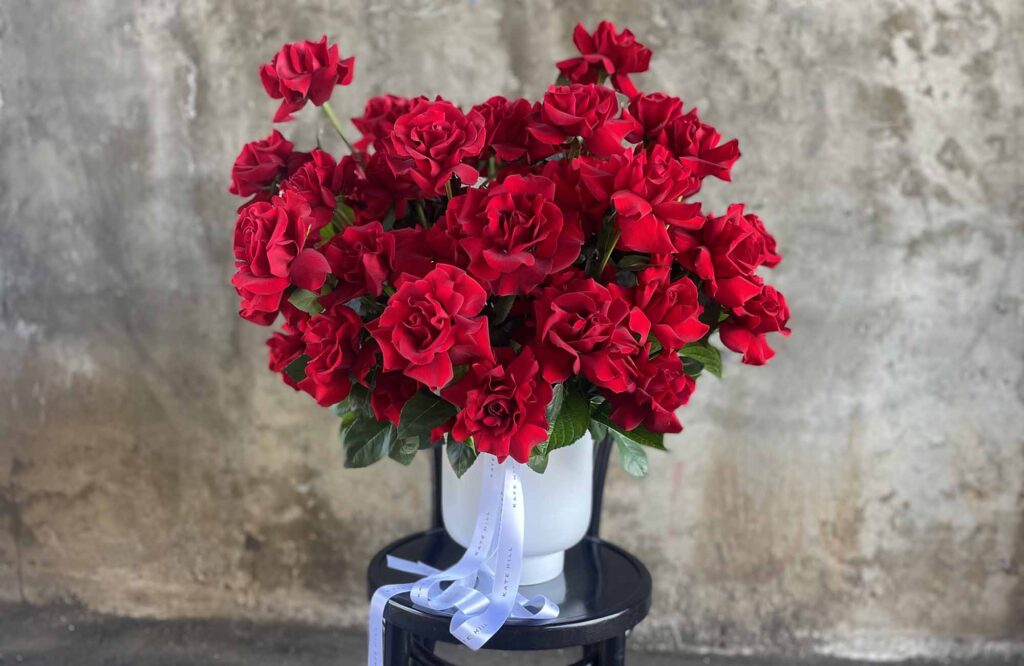
The stem preparation process directly impacts longevity. Florists cut stems at a 45-degree angle immediately before packaging, maximising water absorption capacity. They remove lower leaves that would sit below the water line, preventing bacterial growth that accelerates decay.
Professional delivery packaging incorporates ventilation holes strategically placed to allow air circulation without exposing blooms to harsh elements. This balance prevents the greenhouse effect that can cause premature opening or petal browning.
Quality Control Checkpoints
Before dispatch, florists conduct thorough inspections of each arrangement. They verify that protective sleeves haven’t crushed any petals, check water tube security, and ensure decorative elements remain firmly attached. Box dimensions match bouquet size precisely, eliminating movement space that could cause damage during transport.
Conclusion
How Florists Design the Perfect Valentine’s Day Roses reveals a profession where science meets sentiment. The artistry in floristry transforms simple stems into powerful messengers of affection, combining years of horticultural knowledge with an intuitive understanding of human emotion.
Each Valentine’s Day bouquet represents countless decisions—from the earliest morning market selections to the final ribbon tie. Florists master the delicate balance between aesthetic principles and practical considerations, ensuring every arrangement survives its journey whilst maintaining its visual impact. Their expertise extends beyond simply placing flowers in a vase; they orchestrate colour, texture, and form to create living poetry.
The true magic lies in how these professionals translate abstract feelings into tangible beauty. A dozen red roses becomes more than botanical specimens—it transforms into a declaration, an apology, a celebration, or a promise. Florists serve as intermediaries between hearts, crafting arrangements that speak when words fall short.
Their dedication during the Valentine’s rush demonstrates remarkable commitment. Working through long hours with precision and care, they ensure thousands of people can express their deepest emotions through nature’s most elegant medium. The bouquets they create carry hopes, memories, and dreams to doorsteps across the country.
Valentine’s Day may arrive just once yearly, but the skill florists bring to their craft reflects daily practice and perpetual passion. Their work reminds us that love deserves beauty, and beauty requires both art and technique working in perfect harmony.
FAQs (Frequently Asked Questions)
How do florists select the finest roses for Valentine’s Day bouquets?
Florists carefully choose fresh, vibrant roses with rich red hues to symbolise deep affection, ensuring premium quality and incorporating complementary colours to add variety and depth to the bouquet.
What design principles do florists use to arrange Valentine’s Day rose bouquets beautifully?
Florists apply key design principles such as balance, proportion, and harmony when arranging roses, using greenery and filler flowers to enhance texture and create visually appealing compositions that evoke emotion.
How can Valentine’s Day rose bouquets be personalised by florists?
Florists personalise bouquets by considering the recipient’s preferences and the sender’s message, selecting rose colours that convey specific sentiments, choosing appropriate bouquet sizes, and adding decorative touches like ribbons and wrapping paper.
What strategies do florists use to prepare for the high demand during Valentine’s Day?
To manage increased demand, florists pre-order flowers well in advance to ensure availability and plan designs that allow for efficient assembly without compromising quality during this busy period.
How do florists ensure roses remain fresh and intact until delivery?
Florists use careful packaging techniques that protect delicate roses during delivery or pickup, maintaining freshness and presentation so the bouquet arrives in perfect condition for the recipient.
Why are Valentine’s Day rose bouquets considered a blend of artistry and technical skill?
Creating perfect Valentine’s Day rose bouquets requires florists to combine their artistic vision with technical expertise in flower selection, arrangement design, personalisation, and preservation to beautifully express love on this special day.